This post may contain affiliate links which means I may receive a commission for purchases made through links. As an Amazon Associate I earn from qualifying purchases. I will only recommend products that I have personally used! Learn more on my Private Policy page.
Natural Remedies for : Evidence-Based Solutions (2026)
Disclosure: This post contains affiliate links. If you make a purchase through these links, we may earn a commission at no extra cost to you. This helps support our research and content creation.
Are you tired of dealing with the persistent itching, flaking, and redness of seborrheic dermatitis on your scalp? While medical s are often necessary for managing this chronic skin condition, many people find that natural remedies can provide additional relief and help maintain scalp health between flare-ups. In this comprehensive guide, we’ll explore the most effective natural remedies specifically for seborrheic dermatitis of the scalp, backed by scientific evidence and dermatologist insights.
Key Takeaways
- Most effective topical: oil -for-seborrheic-dermatitis/”> (5% concentration) — clinically proven to reduce symptoms
- Best soothing agent: Aloe vera gel — reduces inflammation and itching naturally
- Key dietary support: Omega-3 supplements (fish oil) — helps reduce inflammation from within
- How often to use: Tea tree oil shampoo 2-3 times weekly, aloe vera as needed for soothing
- Important caution: Always dilute essential oils and patch test before full application
Table of Contents
- Understanding Scalp Seborrheic Dermatitis
- Tea Tree Oil: The Gold Standard Natural Treatment
- Aloe Vera: Nature’s Soothing Gel
- Apple Cider Vinegar: Balancing Scalp pH
- The Coconut Oil Debate: Helpful or Harmful?
- Dietary Approaches: Healing from Within
- Probiotics: Gut-Scalp Connection
- CBD Products: Emerging Natural Option
- Other Essential Oils for Scalp Health
- Creating Your Natural Scalp Care Routine
- When to See a Dermatologist
- Frequently Asked Questions
Understanding Scalp Seborrheic Dermatitis
Seborrheic dermatitis of the scalp is a chronic inflammatory condition characterized by red, itchy, flaky skin. It’s caused by an overgrowth of Malassezia yeast, which feeds on the natural oils (sebum) produced by your scalp. While this yeast is normally present on everyone’s skin, in people with seborrheic dermatitis, the immune system reacts strongly to its bys, leading to inflammation.
Natural remedies work by addressing different aspects of this condition:
- Antifungal properties: Fighting the Malassezia yeast overgrowth
- Anti-inflammatory effects: Reducing redness, itching, and inflammation
- pH balancing: Restoring the scalp’s natural acidic environment
- Moisture regulation: Balancing oil production without over-drying
- Barrier repair: Strengthening the scalp’s protective barrier
Tea Tree Oil: The Gold Standard Natural Treatment
Tea tree oil (Melaleuca alternifolia) is one of the most researched natural remedies for seborrheic dermatitis. Its potent antifungal and anti-inflammatory properties make it particularly effective against the Malassezia yeast that causes scalp flare-ups.
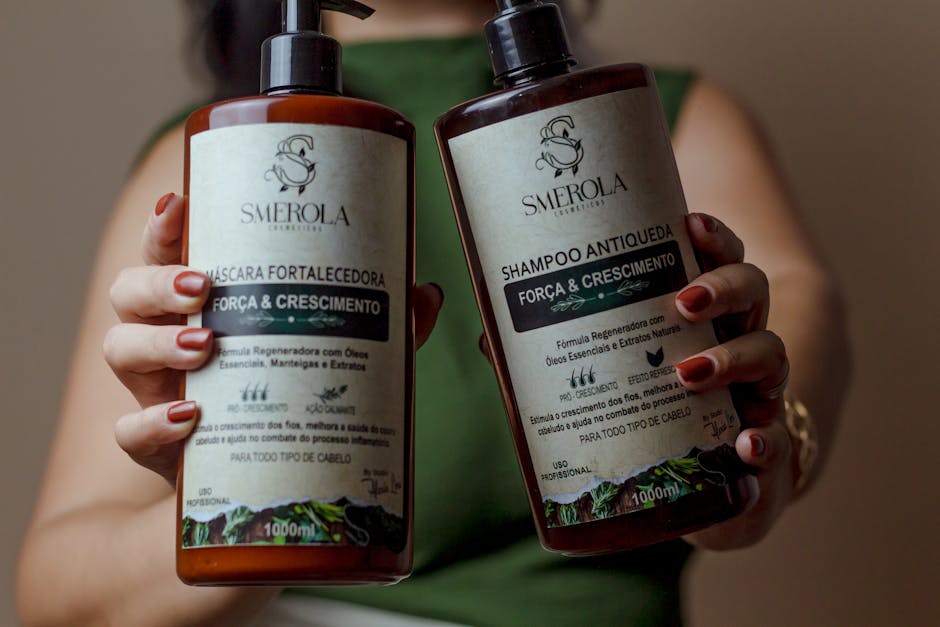
Tea Tree Oil Shampoo

Key ingredient: Melaleuca alternifolia (tea tree) oil at 5% concentration
Best for Scalp — antifungal treatment and inflammation reduction
Why it may help: Clinical studies show that 5% tea tree oil shampoo significantly reduces itching, scaling, and greasiness associated with seborrheic dermatitis. The natural terpenes in tea tree oil have demonstrated antifungal activity against Malassezia species.
How to use safely: Start with a 5% tea tree oil shampoo 2-3 times weekly. Always dilute pure tea tree oil (never apply directly to scalp) and discontinue use if irritation occurs.
Aloe Vera: Nature’s Soothing Gel
Aloe vera has been used for centuries to soothe irritated skin, and it may offer benefits for seborrheic dermatitis sufferers. The gel contains compounds with anti-inflammatory, antimicrobial, and wound-healing properties.
How aloe vera may help scalp seb derm:
- Reduces inflammation: Contains salicylic acid and other anti-inflammatory compounds
- Soothes itching: Provides immediate cooling relief to irritated scalp
- without greasiness: Hydrates dry, flaky areas without exacerbating oiliness
- Antimicrobial activity: May help control microbial overgrowth on the scalp
Application method: Apply pure aloe vera gel directly to affected areas of the scalp, leave for 15-30 minutes, then rinse thoroughly. Can be used 2-3 times weekly or as needed for soothing relief.
Apple Cider Vinegar: Balancing Scalp pH
Apple cider vinegar (ACV) is a popular natural remedy that may help restore the scalp’s natural pH balance. Seborrheic dermatitis often involves pH imbalances that allow Malassezia yeast to thrive.
Potential benefits of ACV for scalp:
- pH restoration: Helps return scalp to its naturally slightly acidic state (pH 4.5-5.5)
- Antifungal properties: The acetic acid in vinegar creates an inhospitable environment for yeast
- Exfoliation: Helps loosen and remove dead skin cells and flakes
- Oil regulation: May help balance sebum production
Safe application: Always dilute raw apple cider vinegar with equal parts water. Apply to scalp with a spray bottle or cotton ball, leave for 5-15 minutes, then rinse thoroughly. Start with once weekly and monitor your scalp’s response.
The Coconut Oil Debate: Helpful or Harmful?
Coconut oil is one of the most controversial natural remedies for seborrheic dermatitis. While some people swear by its moisturizing benefits, others find it exacerbates their condition.
Potential benefits:
- Antifungal properties: Contains lauric acid which has shown activity against Malassezia
- Moisturizing: Excellent emollient for dry, flaky scalp
- Barrier repair: Helps restore the scalp’s natural lipid barrier
Potential drawbacks:
- Feeds yeast: Some studies suggest medium-chain fatty acids might feed Malassezia
- Comedogenic: Can clog hair follicles in some individuals
- Greasy residue: Difficult to wash out completely, may worsen oiliness
Our recommendation: If you want to try coconut oil, use fractionated coconut oil (which remains liquid) and do a patch test first. Apply a small amount to a discreet area of your scalp and monitor for 48 hours. If no worsening occurs, you can try using it sparingly as an overnight treatment, followed by thorough shampooing in the morning.
Dietary Approaches: Healing from Within
What you eat can significantly impact inflammation throughout your body, including your scalp. Several dietary approaches may help manage seborrheic dermatitis symptoms.
Omega-3 Fish Oil Supplements

Key ingredient: EPA and DHA omega-3 fatty acids
Best for Systemic inflammation reduction — taken internally
Why it may help: Omega-3 fatty acids have potent anti-inflammatory effects throughout the body. Some studies suggest they may help reduce the inflammatory response associated with seborrheic dermatitis and other skin conditions.
Recommended dosage: 1000-2000 mg combined EPA/DHA daily, but consult with your healthcare provider for personalized recommendations.
Other dietary considerations:
- Reduce sugar and refined carbs: These can promote inflammation and potentially feed yeast
- Increase antioxidant-rich foods: Berries, leafy greens, and colorful vegetables combat oxidative stress
- Consider food sensitivities: Some people find dairy, gluten, or certain foods trigger flares
- Stay hydrated: Proper hydration supports skin health and detoxification
- Limit alcohol: Alcohol can increase inflammation and may trigger flares in some individuals
Probiotics: Gut-Scalp Connection
Emerging research suggests a strong connection between gut health and skin conditions like seborrheic dermatitis. The gut-skin axis theory proposes that imbalances in gut bacteria can contribute to systemic inflammation that manifests on the skin.
How probiotics may help:
- Reduce systemic inflammation: Certain probiotic strains help regulate immune response
- Improve gut barrier function: Prevents “leaky gut” which can contribute to inflammation
- Modulate immune system: May help balance the overactive immune response in seb derm
- Specific strains: Lactobacillus and Bifidobacterium species show promise for skin health
Considerations: While research is promising, more studies are needed specifically on probiotics for seborrheic dermatitis. If you try probiotics, look for a high-quality supplement with multiple strains and at least 10-20 billion CFUs.
CBD Products: Emerging Natural Option
Cannabidiol (CBD) products are gaining attention for various skin conditions due to their anti-inflammatory and potentially antifungal properties. Some preliminary research suggests CBD may help with seborrheic dermatitis symptoms.
Potential mechanisms of action:
- Anti-inflammatory effects: CBD interacts with the endocannabinoid system to reduce inflammation
- Itch reduction: May help modulate itch signals in the nervous system
- Antimicrobial activity: Some studies show CBD has activity against fungi and bacteria
- Sebum regulation: Early research suggests CBD may help normalize oil production
Current evidence: A small study found that shampoo containing CBD helped reduce scalp inflammation and associated symptoms in people with seborrheic dermatitis. However, more research is needed to establish optimal formulations and concentrations.
Safety considerations: Look for broad-spectrum or isolate CBD products (THC-free) from reputable companies that provide third-party lab testing. Start with low concentrations and monitor your scalp’s response.
Other Essential Oils for Scalp Health
Beyond tea tree oil, several other essential oils show promise for scalp health. Always dilute essential oils properly (typically 1-2% concentration in a carrier oil) and perform a patch test first.
| Essential Oil | Potential Benefits | Dilution Ratio | Precautions |
|---|---|---|---|
| Lavender Oil | Anti-inflammatory, calming, may promote healing | 1-2% in carrier oil | Generally well-tolerated, but always patch test |
| Rosemary Oil | Antimicrobial, may improve circulation to scalp | 1-2% in carrier oil | Can be stimulating; avoid if you have high blood pressure |
| Peppermint Oil | Cooling sensation, anti-itch, antimicrobial | 0.5-1% in carrier oil (very dilute) | Can be irritating; always use highly diluted |
| Oregano Oil | Potent antifungal properties | 0.5-1% in carrier oil (very dilute) | Very strong; high risk of irritation; use with extreme caution |
| Thyme Oil | Antifungal, antimicrobial | 1% in carrier oil | Can be irritating; not for sensitive skin |
Carrier oil options: Jojoba oil, argan oil, or squalane oil are generally well-tolerated and non-comedogenic options for diluting essential oils for scalp application.
Creating Your Natural Scalp Care Routine
Combining multiple natural approaches often yields better results than relying on a single remedy. Here’s a sample weekly routine that incorporates several natural strategies:
Sample Weekly Natural Scalp Care Routine:
- Monday & Thursday: 5% tea tree oil shampoo (antifungal treatment)
- Wednesday: Diluted apple cider vinegar rinse (pH balancing)
- Saturday: Aloe vera gel treatment (soothing and moisturizing)
- Daily: Omega-3 supplement (systemic inflammation reduction)
- As needed: Diluted essential oil blend in jojoba oil for spot treatment
Important tips for success:
- Introduce one remedy at a time: This helps you identify what works and what doesn’t
- Be patient: Natural remedies often take 4-8 weeks to show noticeable improvement
- Keep a symptom journal: Track what you try and how your scalp responds
- Don’t abandon medical treatments: Use natural remedies as complements, not replacements
- Listen to your scalp: If any remedy causes increased irritation, discontinue use