

This post may contain affiliate links which means I may receive a commission for purchases made through links. As an Amazon Associate I earn from qualifying purchases. I will only recommend products that I have personally used! Learn more on my Private Policy page.
Yes — and the evidence is getting more specific. Diet does not cause seborrheic dermatitis, but it may influence how severe your flares are, how often they occur, and how well your treatments work. Here is what 2026 research shows.
Key Takeaways
- Diet does not cause seb derm — but it can influence flare frequency and severity
- High-sugar and refined carbohydrate diets may promote Malassezia growth by altering sebum composition
- Obesity and insulin resistance are associated with more severe seborrheic dermatitis (2026 UK Biobank data)
- Anti-inflammatory foods — oily fish, leafy greens, fermented foods — show modest supporting benefit in case reports
- Lauric acid (MCT sources) shows antifungal activity against Malassezia in laboratory settings
- No single diet cures seb derm — antifungal treatment remains the foundation; diet is a support strategy
How Diet Connects to Seborrheic Dermatitis
Seborrheic dermatitis is driven by three overlapping factors: Malassezia yeast overgrowth, a disrupted skin barrier, and an inflammatory immune response. Diet can potentially influence all three — though the evidence is still emerging and individual responses vary considerably.
The most plausible pathway is through sebum composition. Malassezia feeds on fatty acids in skin oil. A high-glycemic diet raises insulin levels, which boosts sebum production and may shift its fatty acid profile toward substrates that favor Malassezia growth. This is a mechanism, not a certainty — two people with identical diets can have completely different skin responses.
A second pathway is systemic inflammation. Ultra-processed foods, excess alcohol, and low dietary fiber are associated with elevated inflammatory markers. Since the immune system’s exaggerated response to Malassezia is part of what makes seb derm symptomatic, reducing background inflammation may reduce the severity of flares even if Malassezia colonization stays the same.
For a broader overview of what drives this condition, see our complete seborrheic dermatitis guide.
What 2026 Research Actually Shows

The most significant recent finding comes from a large UK Biobank cohort analysis (PubMed 41993977) published in early 2026. Researchers found that metabolic factors — particularly obesity, elevated BMI, and insulin resistance markers — were independently associated with increased seborrheic dermatitis prevalence and severity across skin types and age groups.
This is correlational data, not proof of causation. People with metabolic syndrome have higher seborrheic dermatitis rates, but the study cannot tell us whether improving metabolic health reduces seb derm or whether some shared underlying factor drives both conditions. What it does suggest is that skin-only treatment may be insufficient for people with both conditions.
A separate case report series (PubMed 41953063) documented remission of concurrent alopecia areata and seborrheic dermatitis in several patients following a structured functional nutrition protocol aimed at reducing systemic inflammation. The authors noted reduced scalp flaking within 8–12 weeks. These are individual cases — they do not constitute clinical evidence for dietary treatment — but they point to a gut-skin-immune axis worth taking seriously.
Importantly, neither study recommends diet as a replacement for antifungal treatment. Dietary change is positioned as a potential adjunct, not a standalone intervention.
Foods That May Feed Malassezia — What to Limit
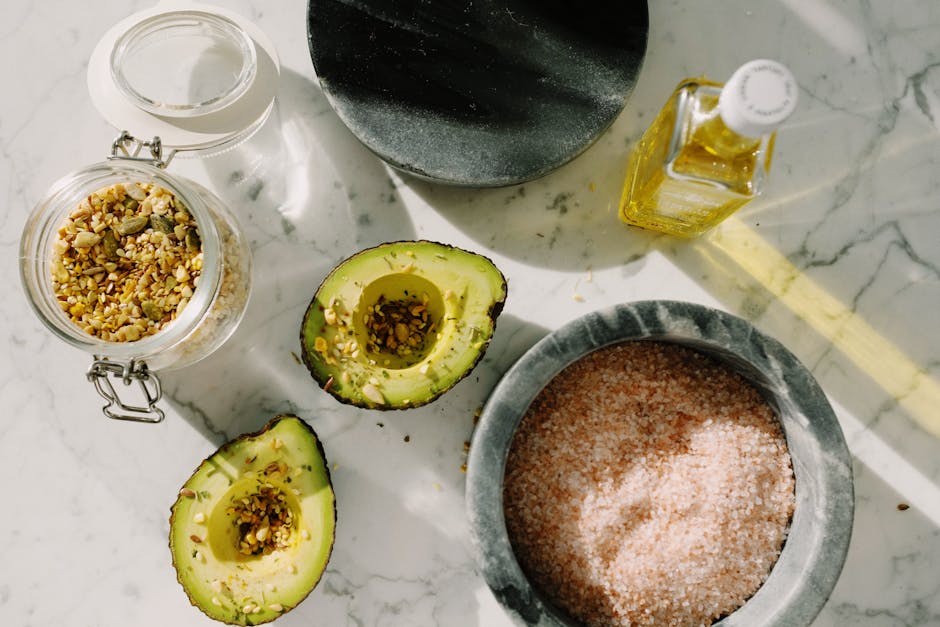
Research on Malassezia nutrition is still primarily in vitro (laboratory-based), but several dietary patterns emerge consistently enough to discuss:
- Refined carbohydrates and added sugar — high glycemic load diets raise insulin and sebum output. White bread, sweetened beverages, pastries, and processed cereals are common culprits. Some people notice a clear link between sugar-heavy days and flare intensity within 24–48 hours.
- Alcohol — alcohol dilates blood vessels, promotes sweating, and may increase sebum production and systemic inflammation simultaneously. Many people with seborrheic dermatitis report that heavy consumption reliably precedes scalp and face flares.
- Saturated fats in excess — certain long-chain saturated fatty acids found in processed meats and fast food are readily metabolized by Malassezia species in lab conditions. Clinical relevance for skin outcomes is uncertain, but limiting heavily processed food is broadly beneficial regardless.
Understanding how Malassezia drives seborrheic dermatitis helps put these dietary patterns in context — it is the yeast’s response to its local environment that matters, not the food itself acting directly on skin.
Foods That May Support Your Skin’s Defenses
The anti-inflammatory angle has more practical support than the elimination-diet angle. Several food categories appear in both population studies and smaller clinical observations:
- Oily fish (salmon, mackerel, sardines) — omega-3 fatty acids (EPA and DHA) reduce systemic inflammation and may modulate the skin’s inflammatory response to Malassezia. Aim for two to three servings per week. If fish is not an option, algae-based omega-3 supplements provide equivalent EPA/DHA.
- Fermented foods (plain yogurt, kefir, sauerkraut, kimchi) — gut microbiome diversity appears to influence skin barrier function and immune regulation. While direct seborrheic dermatitis trials are limited, fermented food consumption is supported by broader inflammatory skin disease research.
- Zinc-rich foods (pumpkin seeds, legumes, spinach) — zinc is involved in sebum regulation and immune function. Zinc deficiency is associated with more severe seborrheic dermatitis in some studies. Getting zinc through food rather than high-dose supplements is safer and equally effective for most people.
- MCT oil sources — lauric acid, a medium-chain fatty acid found in coconut products, has shown antifungal activity against Malassezia in laboratory settings. Whether dietary consumption translates to skin benefit is unproven, but the theoretical basis is reasonable.
None of these foods will eliminate seborrheic dermatitis. Think of them as creating favorable conditions for your treatments to work better, not as treatments in themselves.
The Metabolic Connection: Weight, Insulin, and Seb Derm
The 2026 UK Biobank data raises a question that most skin care guides avoid: could metabolic health be as important as topical treatment for long-term control in some people?
The proposed mechanism involves hyperinsulinemia increasing IGF-1 signaling, which elevates sebaceous gland activity and creates a richer fatty acid environment for Malassezia colonization. People with type 2 diabetes, prediabetes, or polycystic ovarian syndrome — all conditions with elevated insulin — are overrepresented in seborrheic dermatitis cohorts.
This does not mean losing weight cures seborrheic dermatitis. Plenty of people with healthy metabolic profiles have severe seb derm, and plenty of people with metabolic syndrome have mild cases. But if you have both treatment-resistant seborrheic dermatitis and metabolic health concerns, working with your doctor on blood sugar regulation — through diet, physical activity, and if needed, medication — may produce skin improvements as a side benefit.
Physical activity, which also improves insulin sensitivity and reduces systemic inflammation, is discussed in our article on lifestyle modifications for seborrheic dermatitis.
Practical Steps: What to Try First
If you want to use diet as a supportive strategy, start with changes most likely to have impact without requiring significant food restriction:
- Reduce added sugar and refined carbohydrates for four to six weeks — this is the most evidence-supported change for skin conditions tied to sebum production. Cut sugary drinks, swap white bread for whole grain, and reduce pastry and processed snack consumption.
- Increase omega-3 intake — add two servings of oily fish per week. If you dislike fish, an algae-based omega-3 supplement (1,000–2,000 mg EPA/DHA daily) is a clean alternative.
- Add a daily serving of fermented food — plain yogurt or kefir with live cultures. Avoid sweetened yogurts, which counteract the benefit with added sugar.
- Track your flares in a simple food journal — note what you ate in the 24–48 hours before a flare. Many people identify personal triggers (alcohol, high-sugar days, specific dairy products) within four to eight weeks of tracking.
- Do not stop your antifungal treatment — dietary changes are supportive, not replacement therapy. Continue whatever topical routine your dermatologist recommends.
If dietary changes produce no improvement after eight weeks, consult a dermatologist before restricting more food groups. More aggressive elimination diets carry nutritional risks and should only be done under professional guidance.
For a broader view of how lifestyle choices — not just diet — affect flare patterns, see our guide to diet and seborrheic dermatitis.
Frequently Asked Questions
Does cutting out sugar cure seborrheic dermatitis?
No. Reducing sugar may decrease flare frequency for some people by lowering sebum output and systemic inflammation, but seborrheic dermatitis has a genetic and immunological component that diet alone cannot address. Antifungal treatment remains the primary intervention.
Is there a specific diet proven to treat seborrheic dermatitis?
No clinical trials have tested a specific diet as primary treatment for seborrheic dermatitis. The evidence consists of observational studies, case reports, and mechanistic research. A Mediterranean-style anti-inflammatory diet is the most commonly discussed supportive approach, but it has not been formally tested in a seb derm trial.
Can dairy make seborrheic dermatitis worse?
Some people report a link, possibly through dairy’s effect on insulin and IGF-1 signaling. The evidence is anecdotal and inconsistent across individuals. If you suspect dairy is a trigger, try removing it for four weeks and monitor your skin response before drawing conclusions.
What about probiotics for seborrheic dermatitis?
Research on oral probiotics for seborrheic dermatitis is limited. Some trials of inflammatory skin conditions show modest benefit from Lactobacillus strains, but there are no seborrheic dermatitis-specific trials with strong evidence. Fermented foods are a lower-risk way to increase probiotic intake while the research catches up.
Should I try an elimination diet for my seb derm?
Not without medical supervision. Eliminating multiple food groups simultaneously carries a risk of nutritional deficiency and rarely produces clear conclusions. Start with targeted reductions — sugar, alcohol, processed food — rather than sweeping elimination. See a registered dietitian if you want a structured approach.
Medical Disclaimer: This content is for informational purposes only and does not constitute medical advice, diagnosis, or treatment. Seborrheic dermatitis is a medical condition that benefits from professional evaluation. Always consult a board-certified dermatologist before making significant changes to your treatment plan or undertaking dietary interventions based on skin concerns.