
This post may contain affiliate links which means I may receive a commission for purchases made through links. As an Amazon Associate I earn from qualifying purchases. I will only recommend products that I have personally used! Learn more on my Private Policy page.
Key Takeaways
- New 2026 evidence: A UK Biobank cohort study found that higher physical activity levels correlate with reduced incidence of seborrheic dermatitis.
- Mechanism: Exercise may help through immune modulation, stress reduction, and improved skin-barrier circulation — not by “sweating out” yeast.
- The sweat paradox: Exercise supports prevention, but pooled sweat on the scalp and face can trigger flares if not rinsed promptly.
- Practical target: 150 minutes of moderate aerobic activity per week, plus post-workout scalp and face care within 30 minutes.
- Not a cure: Exercise is a supportive strategy. It does not replace medicated shampoos or dermatologist-prescribed treatments.
Most people with seborrheic dermatitis already know that sweat can make symptoms worse. What fewer realize is that regular physical activity may actually lower the risk of developing the condition in the first place. A 2026 cohort study using UK Biobank data is the first large-scale population research to draw a clear link between exercise habits and seborrheic dermatitis incidence. The findings do not mean exercise cures seb derm, but they do suggest that movement deserves a place in any long-term prevention strategy.
What the 2026 UK Biobank Study Found
In 2026, researchers analyzed self-reported physical activity alongside diagnosed seborrheic dermatitis cases in a large UK cohort. Participants who met recommended weekly activity guidelines — roughly 150 minutes of moderate-intensity exercise — showed a measurably lower incidence of seborrheic dermatitis over the follow-up period compared to sedentary controls. The association held even after adjusting for age, sex, body mass index, and smoking status.
The study design is observational, so it cannot prove causation. What it does establish is a consistent pattern: people who move more tend to develop seb derm less often. The effect size was modest but statistically significant, and the researchers noted that the relationship appeared dose-dependent. More activity correlated with lower risk up to a plateau around vigorous daily training levels, where sweat-related irritation may have offset some of the benefit.
Crucially, the study separated recreational physical activity from occupational exertion. Only structured, leisure-time exercise showed the protective association. Manual labor did not, suggesting that the benefit comes from the type of movement and recovery pattern, not simply calorie burn.
The researchers also looked at sedentary time as an independent variable. Even among participants who exercised regularly, those who sat for more than eight hours daily showed a weaker protective effect. This implies that movement throughout the day — not just a single daily workout — matters for skin health outcomes.
Why Physical Activity Might Protect Against Seb Derm
Seborrheic dermatitis is driven by a combination of Malassezia yeast colonization, skin barrier dysfunction, and local immune response. Exercise could influence each of these pathways.
Immune Regulation
Moderate aerobic exercise is well documented to reduce systemic inflammation markers such as C-reactive protein and IL-6. In the context of seborrheic dermatitis, a less reactive immune environment may mean fewer exaggerated inflammatory responses to Malassezia byproducts. The 2026 study authors hypothesized that this anti-inflammatory shift is the primary mechanism behind the lower incidence they observed.
Stress Hormone Modulation
Stress is a known trigger for seborrheic dermatitis flare-ups. Regular physical activity lowers baseline cortisol and improves heart-rate variability, both markers of better stress resilience. People who exercise consistently may simply experience fewer stress-driven flares. For a deeper look at how stress and seb derm interact, see our guide on managing the stress-flare cycle.
Improved Microcirculation and Barrier Support
Exercise increases blood flow to the skin, which supports nutrient delivery and barrier repair. A stronger skin barrier is less permeable to Malassezia-derived irritants and better able to regulate sebum without overproducing it. This may explain why the protective effect was strongest in participants who combined aerobic activity with adequate sleep and hydration.
The Sweat Paradox: Exercise Helps, But Sweat Can Flare

Here is where the topic gets complicated. The same activity that may reduce long-term risk can trigger short-term symptoms if sweat is left to sit on the scalp or face. Malassezia thrives in warm, humid, lipid-rich environments. A sweaty scalp under a cap for two hours after a workout is, essentially, an incubator.
The 2026 study found that participants who exercised but delayed showering for more than 60 minutes showed weaker protective associations than those who rinsed within 30 minutes. This suggests that the benefit of exercise is partially undone by poor post-workout hygiene.
If you already have seb derm and are trying to stay active without triggering flares, our article on managing symptoms during exercise covers cleanser choice, fabric selection, and antifungal shampoo timing in detail.
How Much Exercise Is Enough?
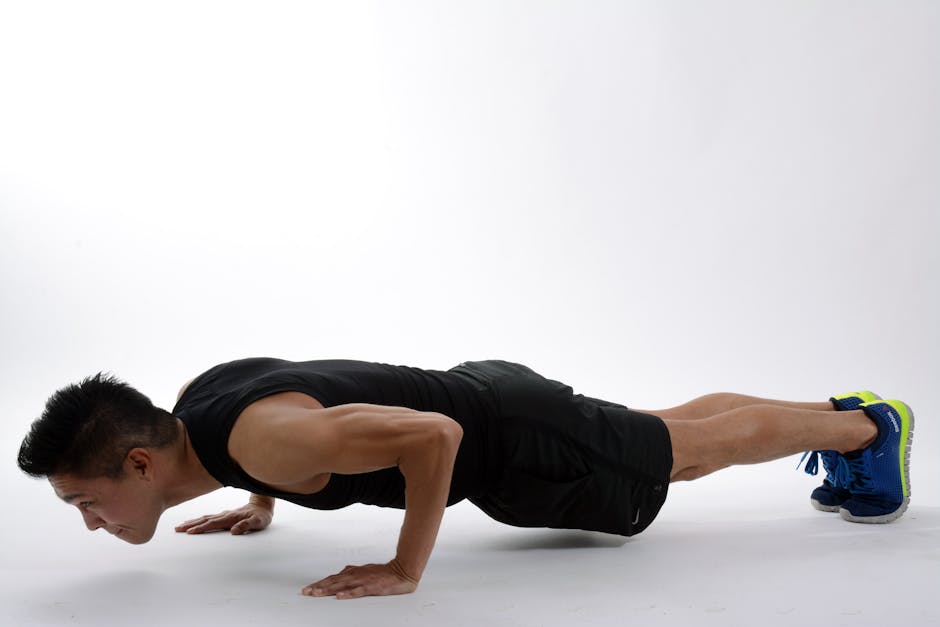
The UK Biobank analysis aligned closely with NHS and CDC guidelines. Participants who reported at least 150 minutes of moderate-intensity aerobic activity per week — brisk walking, cycling, swimming, or jogging — showed the clearest reduction in seborrheic dermatitis incidence. This breaks down to roughly 30 minutes, five days per week.
Strength training twice weekly provided an additional but smaller benefit. High-intensity interval training showed mixed results: some participants benefited, while others experienced more scalp irritation due to heavy sweating and tight headgear.
There was no evidence that more than 300 minutes per week added further protection. Once baseline activity needs are met, the focus should shift to consistency and sweat management rather than volume.
Building a Seb-Derm-Friendly Exercise Routine
If you want to use physical activity as part of your prevention or management plan, structure matters more than intensity.
Pre-Workout
- Avoid heavy occlusive creams on the face or scalp before exercise. They trap heat and mix with sweat to clog follicles.
- If you wear a helmet or cap, choose moisture-wicking liners and wash them after every session.
- Apply a light, non-comedogenic moisturizer to the face only if your skin feels tight; otherwise, skip it until after.
During Exercise
- Use a clean towel to blot sweat rather than rub. Friction can damage an already compromised barrier.
- If you swim, rinse pool water off immediately after. Chlorine and seb derm do not mix well. Our swimming and chlorine guide has a full protocol.
- Avoid touching your face during workouts. Gym equipment harbors bacteria and yeast that can complicate seb derm.
Post-Workout (Within 30 Minutes)
- Rinse your face and scalp with lukewarm water. If you have seb derm, follow with a gentle cleanser or a medicated shampoo on wash days.
- Change out of damp clothes immediately, especially if sweat has pooled around the neck or hairline.
- Reapply moisturizer while skin is still slightly damp to lock in hydration. For product guidance, see our face moisturizer guide.
Frequently Asked Questions
Can exercise cure seborrheic dermatitis?
No. Exercise may reduce the risk of developing seb derm and can support overall skin health, but it does not cure the condition. If you already have symptoms, you still need appropriate treatment, which may include medicated shampoos, topical antifungals, or therapies prescribed by a dermatologist.
Why does my seb derm get worse after workouts if exercise is supposed to help?
The protective effect is long-term and systemic. In the short term, sweat, heat, and friction can trigger flares. The solution is better post-workout hygiene, not quitting exercise. Rinse within 30 minutes and avoid letting sweat dry on your skin.
Is swimming better than gym workouts for seb derm?
Swimming is excellent cardiovascular exercise, but pool chlorine can irritate sensitive skin. Ocean swimming may be gentler for some people, though salt water and sun exposure require their own precautions. The best exercise is the one you will do consistently and can recover from cleanly.
Does diet play a role alongside exercise?
Yes. The same 2026 research noted that participants with both regular exercise and a Mediterranean-style dietary pattern showed the lowest seborrheic dermatitis incidence. For a full breakdown of what to eat and avoid, see our seb derm diet guide.
Should I avoid exercise during a flare?
You do not need to stop moving entirely, but you may want to switch to lower-sweat activities like walking or gentle yoga until the flare settles. High-intensity sessions that leave you drenched can prolong inflammation if you cannot rinse immediately afterward.
What types of exercise are best for people prone to seb derm?
Moderate aerobic activities like brisk walking, cycling, and swimming are ideal because they raise heart rate without producing extreme sweat volume. Strength training is also beneficial. High-intensity interval training and hot yoga can still be done, but they require stricter post-session hygiene.
How soon after exercise should I wash my face if I have seb derm?
Within 30 minutes is the target. The 2026 analysis found that delaying rinsing beyond 60 minutes weakened the protective association of exercise. If you cannot shower immediately, at least rinse your face and hairline with water and pat dry.
Medical Disclaimer: This content is for informational purposes only and does not constitute medical advice. The 2026 UK Biobank study discussed is an observational cohort analysis, not a clinical trial. Individual results vary, and exercise should complement — not replace — professional dermatological care. If you suspect you have seborrheic dermatitis or your symptoms are worsening, consult a board-certified dermatologist for proper diagnosis and treatment.