This post may contain affiliate links which means I may receive a commission for purchases made through links. As an Amazon Associate I earn from qualifying purchases. I will only recommend products that I have personally used! Learn more on my Private Policy page.
If you suffer from , you know how uncomfortable it can be, especially when trying to sleep at night. Seborrheic dermatitis is a chronic inflammatory skin condition that affects areas of the body that are rich in sebaceous glands, such as the -routine-2026/”>, face, and torso. While there is no may help manage for seborrheic dermatitis, choosing the right bed sheets can make a big difference in managing its symptoms.
Learn about the best bed sheets for seborrheic dermatitis sufferers
– Natural fiber sheets like cotton and bamboo are best for those with seborrheic dermatitis
– High thread count and breathable sheets can also help improve comfort during sleep
Why Choosing the Right Bed Sheets is Important
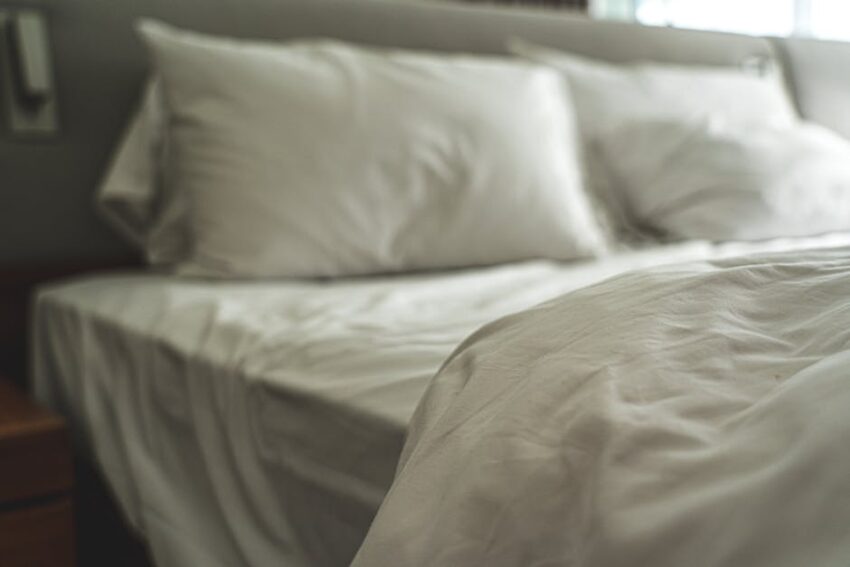
>Choosing the right bed sheets is crucial for individuals with seborrheic dermatitis as it can significantly affect their comfort level. The sheets must be made of breathable, natural fibers to avoid trapping heat and moisture that can exacerbate the condition. Synthetic materials like polyester or nylon should be avoided as they do not allow air to circulate. Cotton, bamboo, and linen are all great options for bed sheets as they are naturally breathable and soft on the skin.
It is also essential to select sheets that are soft and gentle on the skin. Seborrheic dermatitis can cause the skin to become sensitive and easily irritated, so rough or scratchy sheets should be avoided. Look for sheets that have a high thread count and a smooth, soft finish to prevent skin irritation.
Lastly, it is essential to choose sheets that are easy to care for and keep clean. Regular washing and drying of bed sheets can help reduce the buildup of oils, dead skin cells, and other irritants that can aggravate seborrheic dermatitis. Sheets that can be machine-washed and dried are ideal.
Best Bed Sheets for Seborrheic Dermatitis Sufferers
- Organic Cotton Sheets – Organic cotton sheets are made from pesticide-free cotton, making them a safe and gentle option for those with seborrheic dermatitis. They are also naturally breathable and soft, making them comfortable to sleep in.
- Bamboo Sheets – Bamboo sheets are another great option for seborrheic dermatitis sufferers. They are made from bamboo fibers, which are naturally hypoallergenic and antimicrobial. This means they are less likely to harbor bacteria and other irritants that can cause flare-ups.
- Linen Sheets – Linen sheets are made from natural flax fibers, which are highly breathable and absorbent. This makes them a great option for those who sweat heavily at night, as they can help wick away moisture and keep the skin dry.
- Silk Sheets – While silk sheets may not be the most practical option for everyday use, they are a luxurious and comfortable option for those with seborrheic dermatitis. Silk is naturally hypoallergenic and gentle on the skin, making it a great option for those with sensitive skin.
Tips for Managing Seborrheic Dermatitis
Besides choosing the right bed sheets, there are other steps you can take to manage the symptoms of seborrheic dermatitis. Here are a few tips:
- Wash your sheets and pillowcases regularly – Regular washing and drying of bed sheets can help reduce the buildup of irritants that can aggravate seborrheic dermatitis.
- Avoid harsh soaps and detergents – Harsh soaps and detergents can strip the skin of its natural oils and exacerbate seborrheic dermatitis. Look for gentle, fragrance-free s instead.
- Use a humidifier – Dry air can exacerbate seborrheic dermatitis, so using a humidifier in your bedroom can help keep the air moist and reduce symptoms.
- Avoid scratching or picking at the affected areas – Scratching or picking at the affected areas can cause further irritation and lead to infection. Try to resist the urge to scratch, and keep your nails short to avoid damaging the skin.
- Consult with a dermatologist – If your seborrheic dermatitis is severe or persistent, it may be time to consult with a dermatologist. They can recommend personalized options, such as medicated -for-seborrheic-dermatitis/”>s or topical creams, to help manage your symptoms.
Conclusion
Seborrheic dermatitis can be a challenging condition to manage, but choosing the right bed sheets can make a significant difference in the quality of sleep and comfort of those suffering from the condition. Remember to look for sheets that are made from breathable, natural fibers, are soft and gentle on the skin, and are easy to care for and keep clean. Additionally, washing your sheets regularly, avoiding harsh soaps and detergents, and using a humidifier can also help manage symptoms. If you’re looking for more tips and advice on managing skin conditions, sign up for our mailing list to receive updates and exclusive content. Take these steps and find comfort in bed while reducing the discomfort of seborrheic dermatitis.
References
- The National Eczema Society offers information and advice on seborrheic dermatitis in adults.
- This WebMD article provides tips for individuals with psoriasis on selecting clothing and bedding that will not aggravate their symptoms.
FAQ
Q.Who should avoid cotton bed sheets for seborrheic dermatitis?
A.Those who sweat heavily, as cotton sheets retain moisture.
Q.What material is best for bed sheets for seborrheic dermatitis?
A.Bamboo or eucalyptus sheets are highly breathable and moisture-wicking.
Q.How often should you wash bed sheets for seborrheic dermatitis?
A.At least once a week to prevent buildup of dead skin cells and oil.
Q.Who should avoid silk bed sheets for seborrheic dermatitis?
A.Those with oily skin, as silk can trap moisture and exacerbate the condition.
Q.What thread count is best for bed sheets for seborrheic dermatitis?
A.A lower thread count (around 300) is preferable for breathability.
Q.How can I prevent irritation from bed sheets for seborrheic dermatitis?
A.Look for sheets labeled as hypoallergenic and avoid using fabric softeners.
Medical Disclaimer: This content is for informational purposes only and does not constitute medical advice, diagnosis, or treatment. Always consult your dermatologist or qualified healthcare provider before starting any new treatment. Individual results may vary.