This post may contain affiliate links which means I may receive a commission for purchases made through links. As an Amazon Associate I earn from qualifying purchases. I will only recommend products that I have personally used! Learn more on my Private Policy page.
Disclosure: This post contains affiliate links. If you purchase through these links, we may earn a small commission at no extra cost to you.
The gut-skin axis is one of the fastest-growing areas of dermatology research — and it may reshape how we think about seborrheic dermatitis. If you have tried every shampoo and cream without lasting relief, the problem might not be on your skin at all. It could be in your gut.
Key Takeaways
- Gut-skin connection: Your intestinal microbiome communicates directly with your skin through immune signaling and microbial metabolites
- Dysbiosis link: People with seborrheic dermatatitis often show distinct gut bacteria imbalances — particularly lower Lactobacillus and Bifidobacterium levels
- Research stage: Most evidence comes from animal studies and small human trials — no proven gut protocol exists yet
- Practical steps: A high-fiber diet, fermented foods, and targeted probiotic strains may support your skin alongside standard treatments
What Is the Gut-Skin Axis?
The gut-skin axis describes the two-way communication between your digestive system and your skin. Your gut houses roughly 70% of your immune cells and trillions of bacteria that produce metabolites — short-chain fatty acids, vitamins, and signaling molecules — that travel through your bloodstream and influence skin inflammation, barrier function, and oil production.
When your gut microbiome is balanced (eubiosis), it helps regulate immune responses and keeps inflammation in check. When it is disrupted (dysbiosis), the resulting immune cascade can show up on your skin as redness, flaking, and itching — the hallmarks of seborrheic dermatitis.
This is not fringe science. A 2023 review in Frontiers in Microbiology documented clear mechanistic pathways linking intestinal dysbiosis to inflammatory skin conditions, including seborrheic dermatitis.
How Gut Dysbiosis May Trigger Seborrheic Dermatitis
1. Immune Dysregulation
Your gut trains your immune system. When beneficial bacteria decline and harmful species overgrow, your immune system loses its regulatory balance. It may overreact to Malassezia yeast on your skin — the fungus most closely associated with seborrheic dermatitis — producing the inflammatory response that causes redness and flaking.
Specifically, dysbiosis shifts your T-helper cell balance toward Th17 dominance, which drives the type of inflammation seen in seborrheic dermatitis. A 2021 study in Journal of Dermatological Science found elevated Th17 markers in seborrheic dermatatitis patients, mirroring patterns seen in other gut-driven inflammatory conditions.
2. Increased Intestinal Permeability (“Leaky Gut”)
A damaged gut lining allows bacterial endotoxins (like lipopolysaccharide, or LPS) to enter your bloodstream. These endotoxins trigger systemic inflammation that can worsen skin conditions. Research published in Clinical, Cosmetic and Investigational Dermatology has linked increased intestinal permeability to multiple inflammatory skin disorders.
When LPS enters circulation, it activates Toll-like receptor 4 (TLR4) on skin immune cells, amplifying local inflammation and potentially making your skin more reactive to Malassezia.
3. Short-Chain Fatty Acid Deficiency
Beneficial gut bacteria produce short-chain fatty acids (SCFAs) — especially butyrate — that reduce inflammation and strengthen skin barrier function. When those bacteria are depleted, SCFA production drops. Your skin barrier weakens, moisture escapes, and Malassezia finds a more hospitable environment.
Butyrate also directly suppresses the Th17 inflammatory pathway. Less butyrate means less braking on the exact immune response that drives seborrheic dermatitis flares.
4. Altered Sebum Composition
Gut bacteria influence how your body metabolizes fats, including the lipids in your sebum. Malassezia feeds on specific fatty acids (oleic acid, in particular). If gut dysbiosis shifts your lipid metabolism toward producing more of these fatty acids in sebum, you may be feeding the very yeast causing your symptoms.
What Does the Research Actually Show?
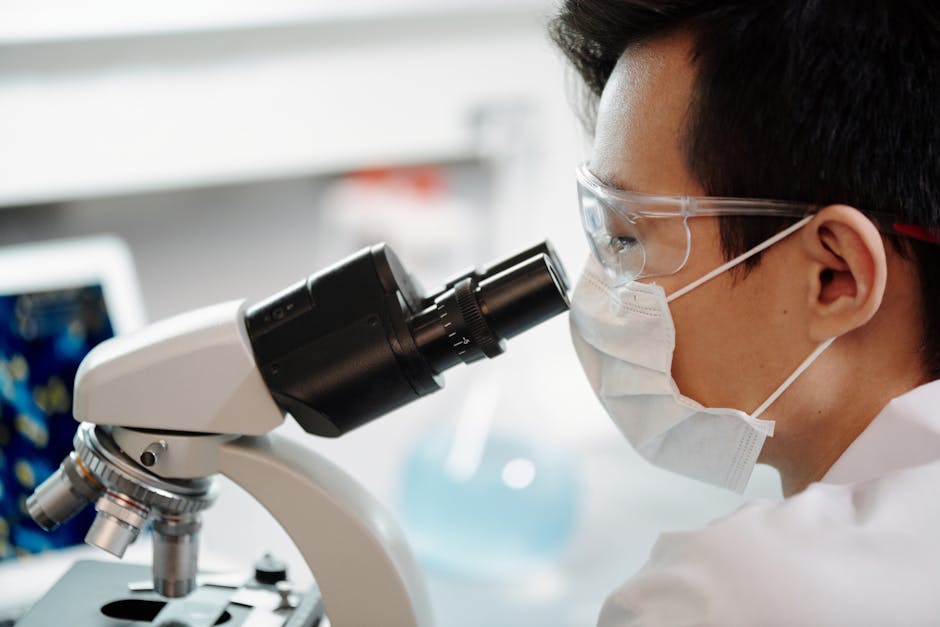
Human studies on the gut-skin axis in seborrheic dermatitis are limited but growing:
- 2020 Chinese study (n=76): Seborrheic dermatatitis patients had significantly lower gut microbiome diversity compared to healthy controls. Streptococcus and Staphylococcus species were overrepresented; Lactobacillus and Faecalibacterium were depleted.
- 2021 Korean study: Infants with cradle cap (infantile seborrheic dermatitis) showed distinct gut microbiome signatures at 3 months, with reduced Bifidobacterium abundance.
- 2022 Italian review: Concluded that “modulation of gut microbiota represents a promising adjuvant approach” for seborrheic dermatatitis, but noted that controlled clinical trials are still needed.
The honest assessment: the evidence is suggestive, not conclusive. We know gut dysbiosis and seborrheic dermatitis co-occur. We know the biological mechanisms are plausible. But no large randomized trial has proven that fixing your gut will clear your skin. Treat gut health as a supportive strategy, not a replacement for topical treatments.
Probiotic Strains That May Help
Not all probiotics are equal. Research points to specific strains that may modulate the immune pathways involved in seborrheic dermatatitis:
- Lactobacillus rhamnosus GG — the most-studied probiotic strain for skin health. May reduce systemic inflammation markers and strengthen gut barrier integrity. Found in Culturelle and many generic supplements.
- Lactobacillus plantarum — produces high levels of butyrate and other SCFAs. A 2019 study found it reduced inflammatory markers in atopic dermatitis, a condition with overlapping immune pathways.
- Bifidobacterium longum — supports Th1/Th2 immune balance and has shown anti-inflammatory effects in multiple skin condition studies.
- Saccharomyces boulardii — a beneficial yeast (not bacteria) that may help counteract Candida overgrowth, which sometimes co-occurs with Malassezia on skin.
Most clinical skin-probiotic studies use 10 billion CFU or more daily, taken for at least 8 weeks. Results, when they appear, are typically gradual — not overnight.
If you want to try a probiotic, look for a multi-strain product containing at least two of the strains above. Search for multi-strain probiotics on Amazon — or better yet, get probiotics from food first.
Dietary Strategies to Support Your Gut-Skin Axis
1. Eat More Prebiotic Fiber
Prebiotics are fibers that feed beneficial gut bacteria. Without them, even the best probiotic supplement will struggle to colonize your gut.
Top prebiotic foods: garlic, onions, leeks, asparagus, bananas (slightly green), oats, barley, and chicory root. Aim for 25-35g of total fiber daily — most people get only 15g.
2. Include Fermented Foods Daily
Fermented foods deliver live bacteria along with the substrates they need to survive:
- Kimchi and sauerkraut — rich in Lactobacillus species
- Kefir — contains up to 60 different bacterial strains (far more than yogurt)
- Miso and tempeh — provide Bacillus species not found in dairy ferments
- Kombucha — contains Saccharomyces and acetic acid bacteria (watch for added sugar)
A 2021 Stanford study found that a 10-week fermented food diet significantly increased gut microbiome diversity and reduced inflammatory markers. This is one of the strongest human studies linking fermented food intake to measurable immune changes.
3. Reduce Foods That Feed Dysbiosis
Certain foods promote harmful gut bacteria and increase intestinal permeability:
- Refined sugar — feeds Candida and other opportunistic species
- Alcohol — directly damages gut lining and alters microbiome composition
- Highly processed foods — emulsifiers like polysorbate 80 thin the gut mucosal barrier
- Excessive saturated fat — shifts bile acid composition in ways that favor Bilophila and other pro-inflammatory species
You do not need to eliminate these completely. But reducing them while increasing fiber and fermented foods creates a more hospitable environment for beneficial bacteria.
4. Consider an Elimination Trial
Some people with seborrheic dermatatitis report improvement when removing specific trigger foods. Common culprits include dairy, gluten, and high-histamine foods. If you suspect a food trigger, try removing it for 3-4 weeks and track your symptoms. Reintroduce one food at a time to identify what, if anything, aggravates your skin.
For a structured approach, see our seborrheic dermatatitis diet guide.
What About Prebiotic and Probiotic Supplements?
Food should be your primary source of beneficial bacteria. But supplements can fill gaps, especially if your diet is limited or you have recently taken antibiotics.
Guidelines for choosing a supplement:
- Multi-strain over single-strain — gut ecology is complex
- At least 10 billion CFU per serving
- Contains Lactobacillus rhamnosus and/or Bifidobacterium longum
- Third-party tested — look for NSF or USP verification
- Refrigerated or enteric-coated — improves survival through stomach acid
Take probiotics with food (not on an empty stomach) to buffer stomach acid. Be patient — most studies show results after 8-12 weeks of consistent use.
Other Gut Health Factors Worth Knowing
Stress and the Gut-Skin Axis
Chronic stress reshapes your gut microbiome through cortisol and catecholamine signaling. Stress reduces Lactobacillus populations and increases gut permeability — creating a feedback loop where skin inflammation causes stress, stress damages the gut, and gut damage worsens skin. Breaking this cycle may require both stress management and gut support.
For practical techniques, read our guide on seborrheic dermatatitis and stress management.
Antibiotics and Your Skin
Oral antibiotics devastate gut microbiome diversity. If you have taken a course of antibiotics recently, your gut may still be recovering months later. This recovery period can be a window where seborrheic dermatatitis flares. Focus on fermented foods, prebiotic fiber, and a probiotic supplement during and after any antibiotic course.
Sleep Quality
Poor sleep alters gut bacteria within 48 hours. Shift workers show measurably different microbiome compositions compared to people with regular sleep schedules. Since seborrheic dermatatitis already disrupts sleep through itching, this creates another vicious cycle. For strategies, see our article on sleep and seborrheic dermatitis.
Frequently Asked Questions
Can improving gut health cure seborrheic dermatitis?
No. There is no evidence that gut modulation alone can cure seborrheic dermatitis. It may reduce flare frequency and severity as a supportive strategy alongside standard topical treatments. Always consult your dermatologist before making significant changes to your treatment plan.
How long does it take for probiotics to affect my skin?
Most clinical studies show results after 8-12 weeks of daily use. Some people notice changes in digestion within 1-2 weeks, but skin improvements typically take longer because the immune system needs time to recalibrate.
Should I take probiotics while using ketoconazole shampoo?
Yes, these approaches work through different mechanisms. Ketoconazole targets Malassezia on your skin; probiotics modulate your immune system from the gut. They are complementary, not conflicting. However, always discuss new supplements with your doctor.
Which fermented food is best for seborrheic dermatitis?
Kefir has the most research backing and the highest strain diversity (up to 60 strains). Kimchi and sauerkraut are also excellent choices. Variety matters more than any single food — rotate between different fermented foods for the broadest bacterial exposure.
Can leaky gut cause seborrheic dermatitis?
Increased intestinal permeability may contribute to the systemic inflammation that worsens seborrheic dermatatitis, but it is unlikely to be the sole cause. Seborrheic dermatatitis is multifactorial — involving Malassezia, sebum composition, immune reactivity, and genetic factors. Gut health is one piece of a larger puzzle.
Medical Disclaimer: This content is for informational purposes only and does not constitute medical advice. Probiotic supplements may interact with medications or underlying conditions. Always consult your dermatologist or healthcare provider before starting any new supplement, making dietary changes, or altering your treatment plan.