This post may contain affiliate links which means I may receive a commission for purchases made through links. As an Amazon Associate I earn from qualifying purchases. I will only recommend products that I have personally used! Learn more on my Private Policy page.
Reviewed by the SebDermatology editorial team. If you have a medical condition, consult a board-certified dermatologist.
MCT Oil for Seborrheic Dermatitis: Why Malassezia-Safe Moisturizing Works (2026)
Disclosure: This post contains affiliate links. If you purchase through these links, we may earn a small commission at no extra cost to you. We only recommend products we believe in.
If you’ve tried coconut oil, jojoba oil, or argan oil on your seborrheic dermatitis and watched your skin get worse — you’re not alone. The culprit is Malassezia, the yeast that drives seb derm, and it feeds on certain fatty acids found in most natural oils. MCT oil is different. It’s one of the few moisturizing oils that Malassezia cannot metabolize, making it a rare safe option for hydrating flare-prone skin.
In this guide, we’ll break down why MCT oil works for seborrheic dermatitis, how to use it on your scalp and face, which products are actually Malassezia-safe, and what the latest research says.
Key Takeaways
- Why it works: MCT oil lacks C12–C14 fatty acids that Malassezia feeds on, making it one of the few safe moisturizing oils for seb derm
- Best dedicated product: MCT Scalp Moisturizer (B0DBSWLKXV) — formulated specifically for seb derm with tea tree & rosemary
- Best budget option: Nature’s Way Organic MCT Oil (B0181U4TOI) — pure C8/C10 MCT, $13, multi-use
- Best face cream with MCT: Seborrheic Dermatitis Face Cream with MCT & Squalane (B0D8RNX734) — steroid-free, BSR #12,583
- How to use: Apply thin layer to affected areas 2–3x daily; for scalp, apply before bed and wash out in the morning
Table of Contents
- Why Most Oils Make Seb Derm Worse (And Why MCT Doesn’t)
- The Science: MCT Oil and Malassezia
- Best MCT Oil Products for Seborrheic Dermatitis (2026)
- How to Use MCT Oil on Your Scalp
- How to Use MCT Oil on Your Face
- MCT Oil vs. Other Popular Oils for Seb Derm
- What Reddit’s r/SebDerm Community Says About MCT Oil
- Precautions and Potential Side Effects
- Frequently Asked Questions
Why Most Oils Make Seb Derm Worse (And Why MCT Doesn’t)
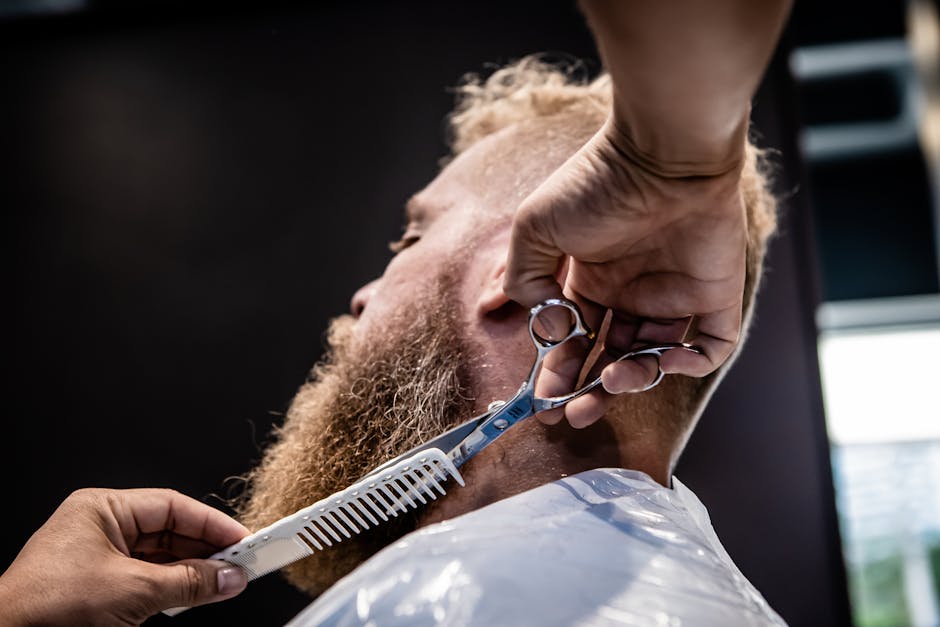
Here’s the problem most people don’t know about: Malassezia feeds on medium-chain and long-chain fatty acids — specifically those with carbon chain lengths between C12 and C24. Most popular “natural” moisturizing oils are loaded with these fatty acids:
- Coconut oil: Contains lauric acid (C12) and myristic acid (C14) — Malassezia’s favorite food
- Jojoba oil: Rich in C20–C22 fatty acids and esters — also metabolized by Malassezia
- Olive oil: High in oleic acid (C18:1) — triggers Malassezia growth
- Argan oil: Contains oleic and linoleic acids — can worsen flares
When you apply these oils to seborrheic dermatitis, you’re essentially feeding the yeast that’s causing your symptoms. The result? More redness, more flaking, more itching — usually within 24–48 hours.
MCT (medium-chain triglyceride) oil is different. Quality MCT oil is made up primarily of caprylic acid (C8) and capric acid (C10) — fatty acids that are too short for Malassezia to metabolize. The yeast simply can’t use them as a food source, so applying MCT oil moisturizes your skin without fueling the underlying fungal overgrowth.
The Science: MCT Oil and Malassezia
The idea that MCT oil is “Malassezia-safe” comes from our understanding of fatty acid metabolism in Malassezia species. Research published in journals like mBio and PLOS Pathogens has shown that Malassezia relies on lipase enzymes to break down sebum lipids — specifically targeting fatty acids in the C12–C24 range.
A 2025 review in Biomedicines (Navarro Triviño et al.) confirmed that current treatment strategies based on topical antifungals and corticosteroids often fail to achieve long-term remission, highlighting the need for maintenance approaches that support the skin barrier without feeding Malassezia.
Key scientific points:
- Malassezia lacks the enzymes to metabolize C8 and C10 fatty acids
- MCT oil (pure C8/C10) provides occlusive moisturizing without serving as a fungal substrate
- Some studies suggest caprylic acid (C8) may even have antifungal properties against Candida and some dermatophytes, though evidence for direct anti-Malassezia activity is limited
- MCT oil is chemically stable, non-greasy, and absorbs quickly — making it practical for daily use
Important caveat: Not all MCT oils are created equal. Some commercial MCT oils contain residual lauric acid (C12) from cheaper manufacturing processes. Always check that your MCT oil is primarily C8 and C10.
Best MCT Oil Products for Seborrheic Dermatitis (2026)
1. MCT Scalp Moisturizer — Best Dedicated Seb Derm Product
MCT Scalp Moisturizer for Dry, Flaky Scalp
This is the only product we’ve found that’s specifically formulated for seborrheic dermatitis with Malassezia-safe MCT oil as the base. It combines MCT oil with tea tree and rosemary for added soothing. Steroid-free.
- Price: $34.95
- Best for: Scalp seb derm, overnight treatment
- Why we like it: Purpose-built for seb derm; steroid-free; lightweight enough for leave-in use; supports hair growth
- Rating: ⭐⭐⭐⭐
2. Nature’s Way Organic MCT Oil — Best Budget Option
Nature’s Way Organic MCT Oil (C8 + C10)
Pure organic MCT oil from coconut. C8 caprylic and C10 capric acids. No additives. This is the same oil people use in coffee — but it works just as well applied topically. BSR #524 means it’s wildly popular.
- Price: $13.17 (50% off at time of writing)
- Best for: Budget-conscious users, multi-use (cooking + skincare)
- Why we like it: Cheap, pure C8/C10, organic, no filler oils
- Rating: ⭐⭐⭐⭐
3. Seborrheic Dermatitis Face Cream with MCT & Squalane — Best for Face
Seborrheic Dermatitis Face Cream (MCT + Squalane)
A dedicated face cream that pairs Malassezia-safe MCT oil with squalane for barrier repair. Steroid-free, gentle ingredients. BSR #12,583 shows strong demand from the seb derm community.
- Price: $37.99
- Best for: Facial seb derm, daily moisturizing
- Why we like it: MCT + squalane combo is ideal for face; no steroids; specifically targets seb derm
- Rating: ⭐⭐⭐⭐
4. Seborrheic Scalp Serum 8X Fast Acting
Seborrheic Scalp Serum 8X Fast Acting
Combines ultra-pure MCT oil with squalane and xylitol for rapid soothing. No steroids. Fast-acting formula for scalp, face, chest, and body.
- Price: $21.59
- Best for: Quick flare relief on multiple body areas
- Why we like it: Xylitol adds humectant properties; multi-area use; no steroids
- Rating: ⭐⭐⭐½
5. Eczema Honey Soothing Scalp Oil
ECZEMA HONEY Soothing Scalp Oil
A honey-based scalp oil with tea tree, vitamin E, and jojoba. Note: Contains jojoba oil which some people with seb derm may react to. Works well for many but patch test first.
- Price: $22.45
- Best for: Dry scalp with mild seb derm
- Why we like it: Natural honey base; Allure-featured; tea tree adds antifungal
- Rating: ⭐⭐⭐
How to Use MCT Oil on Your Scalp
The scalp is where most people experience seborrheic dermatitis first, and it’s where MCT oil can be most helpful. Here’s a step-by-step routine based on what the r/SebDerm community has found effective:
Overnight Scalp Treatment
- Before bed: Apply a thin layer of MCT oil or MCT scalp moisturizer directly to affected areas of your scalp
- Massage gently: Use your fingertips to work the oil into flaky, inflamed areas — don’t scratch
- Leave overnight: The oil will soften scales and hydrate the skin barrier while you sleep
- Morning wash: Use your regular medicated shampoo (ketoconazole, selenium sulfide, or zinc pyrithione) to wash out the oil and treat the fungal overgrowth
- Frequency: 2–3 nights per week during active flares; 1 night per week for maintenance
Quick Daytime Application
If you have visible flakes during the day, apply a tiny amount of MCT oil to the area and gently brush away loosened flakes. The oil absorbs quickly and won’t leave your hair greasy if you use a small amount.
How to Use MCT Oil on Your Face
Facial seborrheic dermatitis (around the nose, eyebrows, and beard area) can be tricky because most face creams contain ingredients that feed Malassezia. Here’s how to use MCT oil safely:
- Cleanse first: Wash with a gentle, Malassezia-safe cleanser (avoid those with fatty acid-rich ingredients)
- Apply MCT oil or MCT-based cream: A few drops of pure MCT oil, or a pea-sized amount of an MCT-based face cream
- Focus on affected areas: Nasolabial folds, eyebrows, beard line, hairline
- Let it absorb: MCT oil absorbs within minutes — much faster than heavier oils
- Follow with sunscreen: If it’s daytime, apply a mineral sunscreen on top
- Frequency: 2–3 times daily during flares; once daily for maintenance
MCT Oil vs. Other Popular Oils for Seb Derm
| Oil | Key Fatty Acids | Malassezia-Safe? | Verdict |
|---|---|---|---|
| MCT Oil (C8/C10) | Caprylic (C8), Capric (C10) | ✅ Yes | Safe — one of the best options |
| Squalane | Squalane (C30 analog) | ✅ Yes | Safe — great paired with MCT |
| Mineral Oil | N/A (petroleum-derived) | ✅ Yes | Safe but no active benefits |
| Coconut Oil | Lauric (C12), Myristic (C14) | ❌ No | Feeds Malassezia — avoid |
| Jojoba Oil | C20–C22 esters | ❌ Usually not | Triggers flares in many people |
| Olive Oil | Oleic (C18:1) | ❌ No | Feeds Malassezia — avoid |
| Argan Oil | Oleic, Linoleic | ❌ Usually not | Mixed results — patch test |
| Tea Tree Oil | Terpenes (not fatty acids) | ✅ Yes (diluted) | Antifungal but must dilute |
What Reddit’s r/SebDerm Community Says About MCT Oil
MCT oil has become one of the most discussed topics on r/SebDerm in 2025–2026. Here’s a summary of what real users are reporting:
- “MCT oil before bed changed everything” — Multiple users report applying MCT oil to their scalp overnight and washing out in the morning. Many describe significantly reduced flaking and itching within the first week.
- “The key is C8 only” — Some users prefer pure C8 (caprylic acid) MCT oil, arguing that C10 may have slightly more potential for Malassezia metabolism. The evidence on this is thin, but Bulletproof Brain Octane (pure C8) is a popular choice.
- “Pure MCT oil works better than MCT creams” — Several users prefer plain MCT oil over formulated creams, citing fewer potential irritants. However, the dedicated MCT scalp moisturizers and face creams are gaining positive reviews for convenience.
- “It doesn’t cure it but makes it manageable” — The consensus is that MCT oil is not an antifungal treatment. It’s a safe moisturizer that won’t feed the yeast. You still need medicated treatments (ketoconazole, zinc pyrithione, etc.) to control the fungal overgrowth.
Precautions and Potential Side Effects
While MCT oil is generally well-tolerated, keep these precautions in mind:
- Patch test first: Apply a small amount to your inner forearm and wait 24 hours before using on your face or scalp
- Check the label: Some MCT oils contain lauric acid (C12) — avoid these. Look for “C8/C10” or “100% caprylic/capric” on the label
- Don’t overapply: A thin layer is enough. Too much can make your hair look greasy and may trap heat against the skin
- MCT oil is not a treatment: It’s a safe moisturizer. You still need antifungal or anti-inflammatory treatments to control the underlying condition
- Watch for contact dermatitis: Rare, but some people are sensitive to even “safe” oils. If redness worsens, discontinue use
- Purity matters: Food-grade MCT oil is fine for topical use, but cosmetic-grade products may have better texture and absorption
Frequently Asked Questions
Can I use regular coconut oil instead of MCT oil for seb derm?
No. Coconut oil contains lauric acid (C12), which Malassezia can metabolize. While coconut oil has some antimicrobial properties, its fatty acid profile makes it likely to worsen seborrheic dermatitis in most people. MCT oil is processed to remove the problematic fatty acids.
How long does it take for MCT oil to improve seb derm symptoms?
Most people notice softer, less flaky skin within 3–7 days of regular use. However, MCT oil only addresses the moisture barrier — it doesn’t kill Malassezia. You’ll likely need medicated treatments alongside it for full symptom control.
Is MCT oil safe to use with ketoconazole shampoo?
Yes. MCT oil and ketoconazole work well together. Apply MCT oil overnight as a moisturizer, then wash with ketoconazole shampoo in the morning. The oil won’t interfere with the antifungal action.
Can I take MCT oil orally to help with seborrheic dermatitis?
There’s no strong evidence that oral MCT oil improves seborrheic dermatitis. The benefits are primarily topical. However, some users on r/SebDerm report that a diet rich in MCTs (and low in sugars/refined carbs) seems to reduce flare frequency. This is anecdotal — more research is needed.
What’s the difference between C8 and C10 MCT oil for seb derm?
Both C8 (caprylic acid) and C10 (capric acid) are considered Malassezia-safe. Some users prefer pure C8, believing it’s slightly safer, but there’s no strong clinical evidence favoring one over the other for topical use. A C8/C10 blend works well and is usually more affordable.
References
- Borda LJ, Wikramanayake TC. (2015). Seborrheic Dermatitis and Dandruff: A Comprehensive Review. J Clin Investig Dermatol. 3(2). PubMed: 25584702
- Zisova LG. (2009). Malassezia species and seborrheic dermatitis. Folia Med (Plovdiv). 51(1):23–33. PubMed: 19437895
- Gupta M, Mahajan VK, Mehta KS, Chauhan PS. (2014). Zinc therapy in dermatology: a review. Dermatol Res Pract. 2014:709152. PubMed: 25120566
Medical Disclaimer: MCT oil and C8 caprylic acid are being studied as adjunct approaches for seborrheic dermatitis — evidence is preliminary. Do not replace prescribed antifungal treatment with home remedies without consulting your dermatologist.
Medical Disclaimer: This content is for informational purposes only and does not constitute medical advice. Seborrheic dermatitis is a chronic condition that should be evaluated by a dermatologist. Always consult a healthcare professional before starting any new treatment, especially if you have sensitive skin or are using prescription medications. Individual results may vary.
Frequently Asked Questions
Does MCT oil help seborrheic dermatitis?
MCT oil (medium-chain triglycerides, primarily caprylic and capric acid) is considered Malassezia-safe because it does not contain the long-chain fatty acids (C11–C24) that Malassezia yeast needs to grow. It can moisturize dry, flaky areas without fueling fungal overgrowth, making it one of the safer topical oils for this condition.
Is coconut oil safe for seborrheic dermatitis?
No — despite being marketed as antifungal, coconut oil contains high amounts of lauric acid and other fatty acids that Malassezia can metabolize. Multiple studies and widespread patient reports indicate that coconut oil can worsen seborrheic dermatitis flares. It is best avoided entirely for affected areas.
What oils are Malassezia-safe for seborrheic dermatitis?
The safest options include MCT oil (caprylic/capric triglycerides), squalane, mineral oil, and castor oil. Jojoba oil is borderline — some people tolerate it, others report flares. Always check that any oil you use does not contain significant amounts of C11–C24 fatty acids before applying to affected skin.
How do I use MCT oil for seborrheic dermatitis?
Apply a small amount to affected areas after cleansing, when skin is slightly damp. For the scalp, use it as a lightweight pre-shampoo treatment or sparingly as a leave-in. Start with a small amount and monitor your skin for one to two weeks before increasing use. A little goes a long way.
Why does Malassezia cause seborrheic dermatitis?
Malassezia is a yeast naturally present on most people’s skin but proliferates in certain conditions — excess sebum, warm or humid environments, or weakened immune response. As it metabolizes skin oils, it produces inflammatory byproducts (free fatty acids, indoles) that trigger the redness, flaking, and itching characteristic of seborrheic dermatitis.