This post may contain affiliate links which means I may receive a commission for purchases made through links. As an Amazon Associate I earn from qualifying purchases. I will only recommend products that I have personally used! Learn more on my Private Policy page.
Disclosure: This post contains affiliate links. If you purchase through these links, we may earn a small commission at no extra cost to you.
Key Takeaways
- The connection: Research links gut dysbiosis (microbial imbalance) to inflammatory skin conditions including seborrheic dermatitis
- The mechanism: An unhealthy gut may increase systemic inflammation, alter immune responses, and change sebum composition — all factors in seb derm flare-ups
- Evidence level: Mostly observational studies and animal models; human clinical trials are limited but growing
- Practical takeaway: A gut-friendly diet (high fiber, fermented foods, low sugar) may complement — not replace — your existing seb derm treatment
- Timeline: Dietary changes typically take 4–12 weeks to show any measurable effect on skin
Why Your Gut Matters for Your Skin
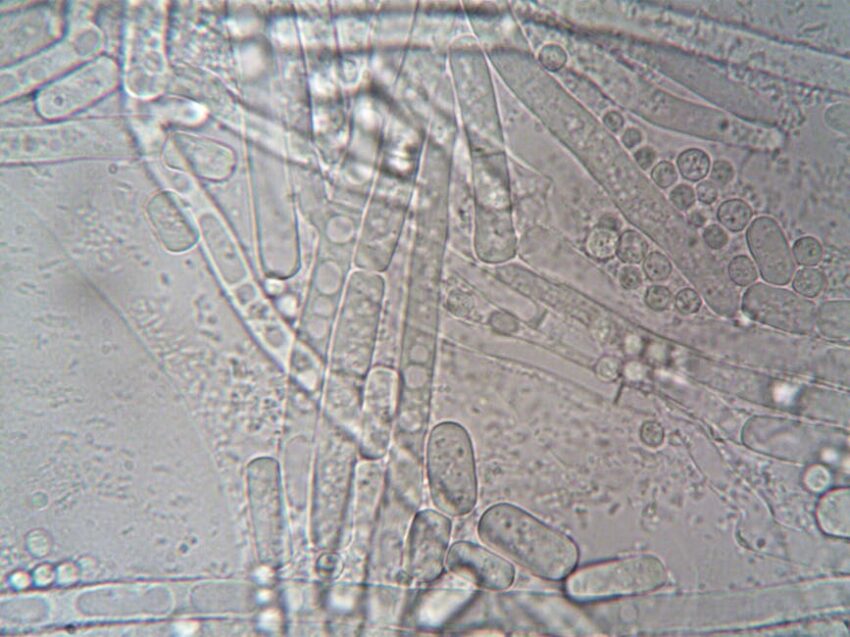
The gut-skin axis is one of the most researched areas in dermatology right now. Your gastrointestinal tract houses roughly 70% of your immune system and produces about 90% of your body’s serotonin. When the balance of bacteria in your gut shifts — a state called dysbiosis — the effects don’t stay confined to your digestive system.
For people with seborrheic dermatitis, this matters because the condition is fundamentally an inflammatory response. Malassezia, the yeast that contributes to seb derm symptoms, doesn’t act alone. Your immune system decides how aggressively to react to it — and that immune response is shaped, in part, by what’s happening in your gut.
A 2023 review in Frontiers in Microbiology found that patients with seborrheic dermatitis had significantly different gut microbiome profiles compared to healthy controls, with lower diversity of beneficial bacteria and higher levels of pro-inflammatory microbial species.
How Gut Dysbiosis May Trigger Seborrheic Dermatitis Flare-Ups
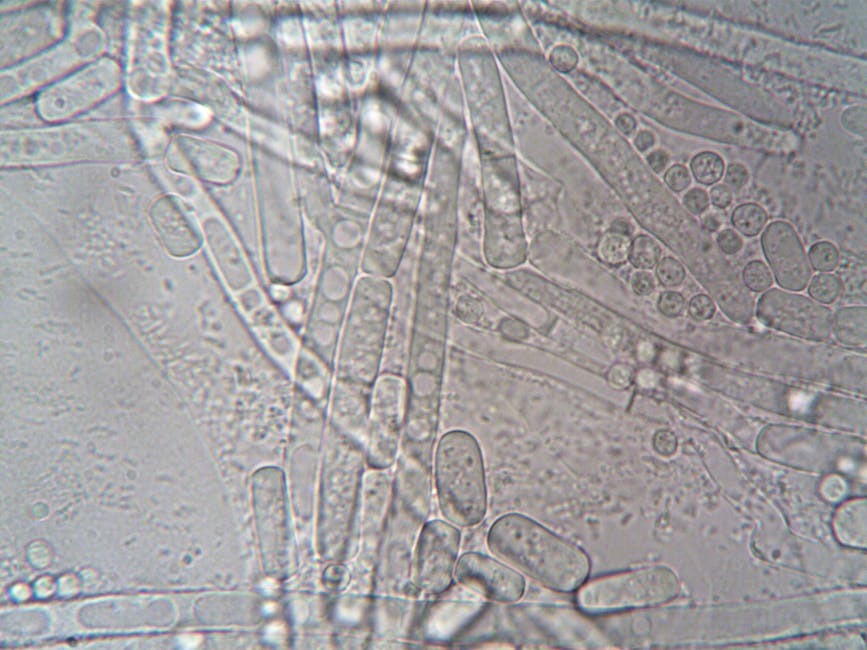
Three specific mechanisms connect gut health to seb derm:
1. Increased Systemic Inflammation
When your gut barrier becomes permeable (often called “leaky gut”), bacterial endotoxins like lipopolysaccharides (LPS) enter your bloodstream. This triggers a systemic inflammatory response, raising levels of inflammatory markers such as IL-1α, IL-6, and TNF-α — the same cytokines elevated in seborrheic dermatitis lesions. A 2022 study in the Journal of Dermatological Science measured serum LPS levels in 48 seb derm patients and found they were 2.3 times higher than in the control group.
2. Altered Sebum Composition
Your gut microbiome influences lipid metabolism throughout your body, including the composition of sebum on your skin. Malassezia feeds on specific lipids — particularly oleic acid and other free fatty acids. Research from 2021 in Experimental Dermatology showed that gut dysbiosis in mice altered sebaceous gland output, increasing the ratio of saturated to unsaturated fatty acids that Malassezia prefers. If the same holds true in humans (studies are ongoing), a compromised gut could literally be feeding the yeast that causes your flare-ups.
3. Impaired Immune Regulation
Beneficial gut bacteria — especially Bifidobacterium and Lactobacillus species — produce short-chain fatty acids (SCFAs) like butyrate, propionate, and acetate. These SCFAs regulate T-cell function and keep inflammatory immune responses in check. When beneficial bacteria decline, SCFA production drops, and your immune system may overreact to Malassezia on your skin. This explains why some people can harbor the yeast without symptoms while others develop severe seborrheic dermatitis symptoms.
What the Research Actually Shows
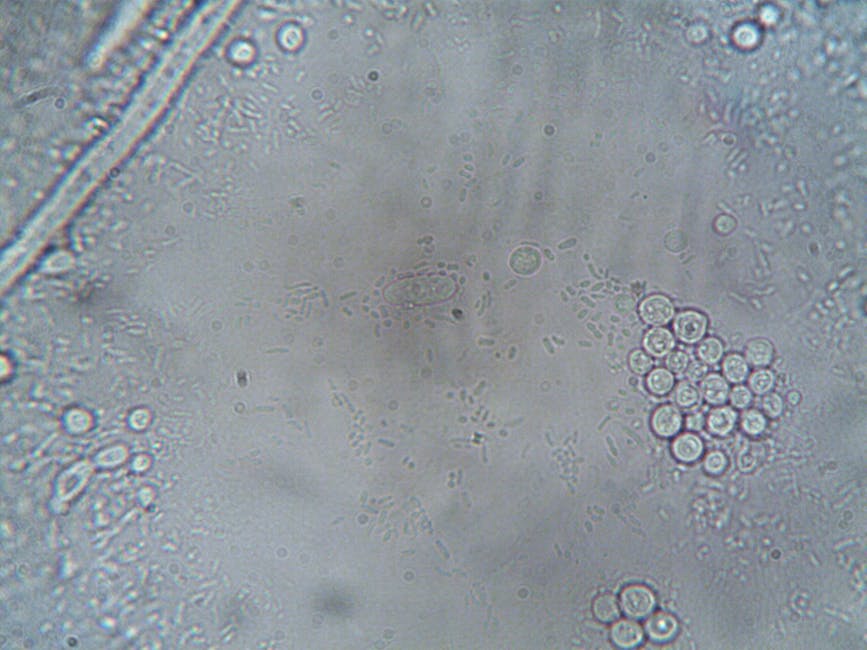
Here’s what the current evidence looks like — and where it falls short:
| Study | Finding | Limitation |
|---|---|---|
| Frontiers in Microbiology (2023) | Seb derm patients had lower gut microbiome diversity vs. controls | Observational; can’t prove causation |
| J Dermatological Science (2022) | Serum LPS levels 2.3× higher in seb derm patients | Small sample (n=48) |
| Exp Dermatology (2021) | Gut dysbiosis altered sebum composition in mice | Animal model; may not translate to humans |
| Nutrients (2024) | Probiotic supplementation reduced scalp erythema scores by 32% in 8 weeks | Pilot study (n=30); no placebo group |
| Microbial Pathogenesis (2023) | SCFA levels inversely correlated with seb derm severity | Correlation only; confounders not controlled |
Bottom line: The evidence is suggestive but not conclusive. No large-scale randomized controlled trial has proven that fixing your gut will clear your seb derm. However, the biological plausibility is strong, and the dietary changes that support gut health are low-risk and broadly beneficial.
Dietary Changes That Support Both Gut and Skin Health
Rather than chasing supplements, start with food. These changes address both dietary triggers for seborrheic dermatitis and gut microbiome health simultaneously:
Foods to Prioritize
- Fermented foods: Kimchi, sauerkraut, kefir, and unpasteurized miso introduce live beneficial bacteria. A 2021 Stanford study in Cell found that a 10-week fermented food diet increased microbiome diversity and reduced inflammatory markers by 20%.
- Prebiotic fiber: Garlic, onions, leeks, asparagus, and oats feed beneficial gut bacteria. Aim for 25–35g of total fiber daily — most people get half that.
- Omega-3 fatty acids: Wild salmon, sardines, and flaxseeds reduce systemic inflammation. Two servings of fatty fish per week is the minimum recommendation.
- Polyphenol-rich foods: Blueberries, green tea, dark chocolate (70%+ cacao), and extra virgin olive oil have documented anti-inflammatory effects on both gut lining and skin.
- Zinc-rich foods: Oysters, pumpkin seeds, lentils, and beef. Zinc deficiency is documented in some seb derm patients and is essential for gut barrier integrity.
Foods to Reduce or Avoid
- Refined sugar: Feeds pathogenic bacteria and yeast, promotes systemic inflammation. This includes high-fructose corn syrup, candy, soda, and most processed snack foods.
- Alcohol: Directly damages gut barrier function and increases intestinal permeability. Even moderate drinking (2–3 drinks per week) has been shown to alter microbiome composition.
- Ultra-processed foods: Emulsifiers like polysorbate-80 and carboxymethylcellulose — common in processed foods — have been shown to degrade the gut mucus layer in animal studies.
- Excess saturated fat: May promote inflammatory gut bacteria over beneficial species. This doesn’t mean eliminate fat — it means choosing olive oil over margarine and limiting fried foods.
Should You Take Probiotics for Seborrheic Dermatitis?
The probiotic market is noisy, and most products marketed for “skin health” lack specific evidence for seborrheic dermatitis. Here’s what we know:
Strains with preliminary evidence for inflammatory skin conditions:
- Lactobacillus rhamnosus GG — the most studied probiotic strain; reduces inflammatory cytokines in multiple contexts
- Lactobacillus plantarum — produces high levels of SCFAs; shown to reduce skin inflammation in mouse models
- Bifidobacterium longum — supports gut barrier function; widely available in commercial probiotics
- Lactobacillus reuteri — documented anti-inflammatory effects; some evidence for reducing skin redness
Realistic expectations: Probiotics are not a seb derm treatment. They may reduce inflammation slightly over 8–12 weeks, but they won’t replace ketoconazole shampoo or your prescribed topical. Think of them as a supporting player, not the star.
Dose: Studies that showed any skin benefit used 1–10 billion CFU daily. Lower doses are unlikely to have measurable effects. Always take probiotics with food to improve survival through stomach acid.
The 4-Week Gut-Skin Reset Protocol
If you want to test whether gut health affects your seborrheic dermatitis, commit to these changes for at least 4 weeks (ideally 8–12) while keeping your existing scalp treatment routine unchanged:
Week 1–2: Remove the worst offenders
- Cut added sugar completely (fruit is fine)
- No alcohol
- Eliminate ultra-processed foods (anything with ingredients you can’t recognize)
Week 3–4: Rebuild with gut-friendly foods
- Add 1–2 servings of fermented food daily (sauerkraut with lunch, kefir with breakfast)
- Increase fiber to 25g+ per day (track with a free app like MyFitnessPal for a few days)
- Include omega-3 sources at least 3 times per week
Week 5+: Assess and adjust
- Compare flare frequency and severity to your baseline
- If you notice improvement, continue and consider adding a probiotic supplement
- If no change after 12 weeks, gut health may not be a major trigger for you — and that’s useful information too
What This Doesn’t Mean
Avoid the trap of oversimplification. Gut health is one piece of the puzzle, not the entire picture. Seborrheic dermatitis is a multifactorial condition driven by genetics, immune function, Malassezia overgrowth, stress, hormones, and environmental factors. Improving your gut health may help — but it’s not a cure, and anyone promising otherwise is selling something.
Also, if you have persistent digestive symptoms (bloating, irregular bowel movements, food intolerances) alongside your seb derm, consider seeing a gastroenterologist. Conditions like small intestinal bacterial overgrowth (SIBO) or inflammatory bowel disease can co-occur with seborrheic dermatitis and require medical treatment, not just dietary tweaks.
Frequently Asked Questions
Can an unhealthy gut cause seborrheic dermatitis?
Gut dysbiosis alone is unlikely to cause seb derm in someone who doesn’t already have a genetic predisposition. However, it may worsen symptoms or increase flare frequency by raising systemic inflammation and altering immune responses.
How long before dietary changes affect my skin?
Most studies looking at diet and inflammatory skin conditions show measurable changes after 8–12 weeks. Your gut microbiome begins shifting within 24–48 hours of dietary changes, but the downstream effects on skin take longer to become visible.
Should I try an elimination diet for seb derm?
An elimination diet (removing sugar, dairy, gluten, or other triggers for 2–4 weeks, then reintroducing one at a time) can help identify food sensitivities that worsen your symptoms. However, do this under medical supervision to avoid nutritional deficiencies. Read more about the diet-seb derm connection.
Are probiotic supplements better than fermented foods?
Fermented foods provide a wider range of bacterial species and metabolic byproducts that support gut health. Probiotic supplements deliver specific strains at known doses. For most people, fermented foods are the better starting point — add supplements only if you need targeted strains or can’t tolerate fermented foods.
Can antibiotics for gut issues worsen seborrheic dermatitis?
Possibly. Broad-spectrum antibiotics disrupt the gut microbiome and may temporarily increase susceptibility to fungal overgrowth — including Malassezia on the skin. If you need antibiotics, talk to your doctor about taking a probiotic concurrently and for 2–4 weeks afterward.
Medical Disclaimer: This content is for informational purposes only and does not constitute medical advice. The connection between gut health and seborrheic dermatitis is still being researched. Always consult your dermatologist or healthcare provider before making significant dietary changes or starting supplements, especially if you have other medical conditions.