This post may contain affiliate links which means I may receive a commission for purchases made through links. As an Amazon Associate I earn from qualifying purchases. I will only recommend products that I have personally used! Learn more on my Private Policy page.
Seborrheic Dermatitis Beard Treatment Guide 2026: How to Manage Flaking, Itching & Redness Under Facial Hair
Disclosure: This post contains affiliate links. If you purchase through these links, we may earn a commission at no extra cost to you. We only recommend products we believe may help manage seborrheic dermatitis symptoms.
If you’ve noticed persistent flaking, redness, or itching beneath your beard, you’re not alone. Seborrheic dermatitis in the beard area is one of the most common — and frustrating — places this condition appears. The warm, moist environment under facial hair creates an ideal breeding ground for Malassezia, the yeast associated with seborrheic dermatitis flare-ups.
In this guide, we’ll walk through evidence-based treatments, product recommendations, and a daily routine specifically designed for managing seborrheic dermatitis under your beard. Whether you keep a short stubble or a full beard, these strategies may help you get relief.
Key Takeaways
- Best overall wash: Ketoconazole 2% (Nizoral) — antifungal action targets the root cause
- Best beard-specific product: Beard oil with tea tree oil — antifungal + without feeding yeast
- Key ingredient to look for: Ketoconazole 1-2% or zinc pyrithione 1%
- How often to wash: 2-3 times per week with medicated wash, daily with gentle cleanser
- Avoid: Oils high in oleic acid (olive oil, coconut oil) — they may feed Malassezia
Table of Contents
- Why Does Seborrheic Dermatitis Target the Beard Area?
- How to Identify Beard Seborrheic Dermatitis
- Medicated Washes and Shampoos for Beard Seb Derm
- Beard Oils and Balms: What’s Safe and What to Avoid
- Daily Beard Care Routine for Seborrheic Dermatitis
- Lifestyle Factors That May Trigger Beard Flare-Ups
- When to See a Dermatologist
- Frequently Asked Questions
Why Does Seborrheic Dermatitis Target the Beard Area?
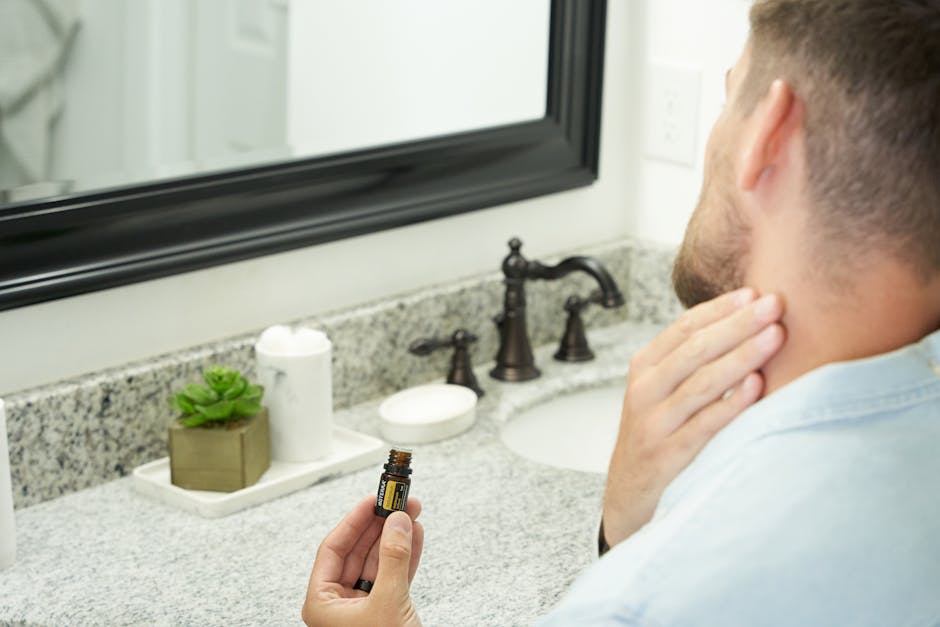
The beard area is one of the most sebum-rich zones on the human body. Sebaceous glands are densely concentrated around the nose, chin, and upper lip — exactly where beards grow. This excess sebum feeds Malassezia globosa and M. restricta, yeasts that naturally live on human skin but can overgrow and trigger inflammation.
Facial hair compounds the problem in several ways:
- Trapped moisture: Sweat and oil get trapped under beard hair, creating a humid microclimate
- Difficulty cleansing: Thick facial hair makes it harder to thoroughly clean the skin beneath
- Product buildup: Beard oils, balms, and waxes can accumulate and feed yeast if they contain Malassezia-feeding ingredients
- Physical irritation: Coarse beard hair rubbing against inflamed skin worsens itching
Research published in the Journal of Investigative Dermatology suggests that Malassezia species metabolize specific fatty acids (particularly oleic acid) found in sebum, producing byproducts that disrupt the skin barrier and trigger the inflammatory response characteristic of seborrheic dermatitis.
How to Identify Beard Seborrheic Dermatitis
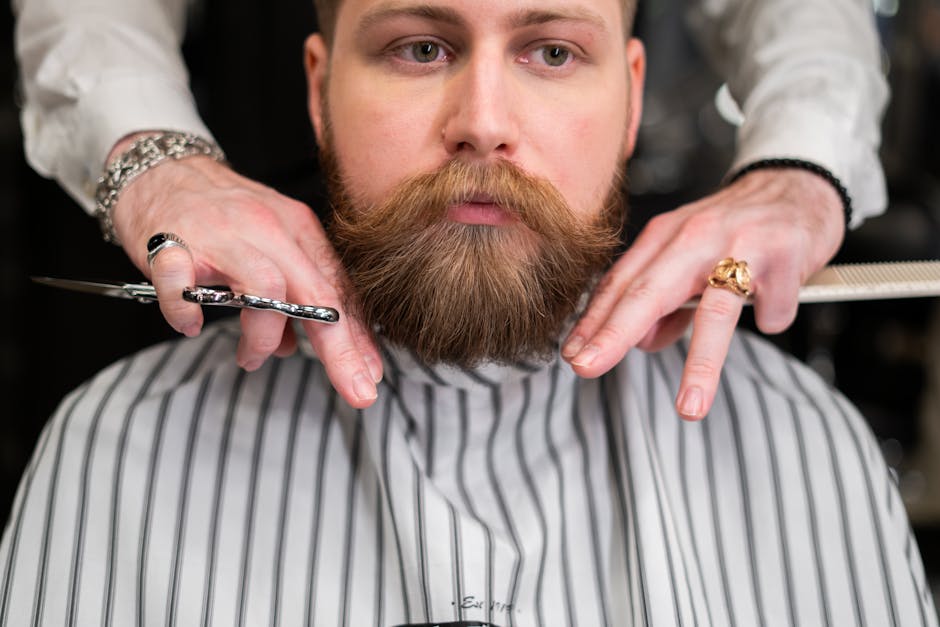
Beard seborrheic dermatitis has distinct characteristics that set it apart from other common beard skin conditions:
- Yellowish, greasy scales clinging to beard hair and skin — unlike the dry, silvery scales of psoriasis
- Redness and inflammation primarily around the nasolabial folds (sides of nose), chin, and mustache area
- Itching that ranges from mild to intense, often worsening after sweating
- Bilateral symmetry — typically affects both sides of the face similarly
- Flare pattern — tends to worsen in cold, dry weather or during periods of stress
Important: If you think you might have seborrheic dermatitis, see a dermatologist for proper diagnosis. Several other conditions can look similar, including contact dermatitis, tinea barbae (fungal infection of the beard), and psoriasis. A dermatologist can confirm the diagnosis and recommend the most appropriate treatment plan.
Medicated Washes and Shampoos for Beard Seb Derm
The foundation of beard seborrheic dermatitis treatment is medicated washing. The same active ingredients used on the work under the beard — they just need more careful application to reach the skin beneath facial hair.
Nizoral A-D Anti-Dandruff Shampoo (Ketoconazole 1%)
Key ingredient: Ketoconazole 1%
Best for: Beard area — antifungal action directly targets Malassezia yeast
Why we like it: Ketoconazole is one of the most well-studied antifungal agents for seborrheic dermatitis. Many users find that washing the beard area 2-3 times per week with ketoconazole shampoo may significantly reduce flaking and itching. The 1% OTC strength is generally well-tolerated on facial skin.
Star rating: ⭐⭐⭐⭐ (4.3/5 on Amazon)
How to Use Medicated Shampoo on Your Beard
- Wet the beard thoroughly with warm (not hot) water
- Work the medicated shampoo into the beard, massaging down to the skin — don’t just coat the hair
- Let it sit for 3-5 minutes — the active ingredient needs contact time to work
- Rinse completely — residual shampoo can irritate
- Follow with a gentle, fragrance-free moisturizer to prevent dryness
Neutrogena T/Gel Therapeutic Shampoo (Coal Tar)
Key ingredient: Coal tar 0.5%
Best for: Stubborn beard seb derm that doesn’t respond to ketoconazole alone
Why we like it: Coal tar slows skin cell turnover and may reduce inflammation. Some people find it helpful as part of a rotation with ketoconazole. Note: it has a distinctive smell that some users find unpleasant.
Star rating: ⭐⭐⭐⭐ (4.2/5 on Amazon)
Rotation Strategy That May Help
Many dermatologists recommend rotating active ingredients rather than relying on a single product. A common approach:
- Monday & Thursday: Ketoconazole shampoo
- Saturday: Zinc pyrithione or coal tar shampoo
- Other days: Gentle, fragrance-free beard wash
This rotation may help prevent the yeast from adapting to a single treatment and can reduce the risk of irritation from overusing any one active ingredient.
Beard Oils and Balms: What’s Safe and What to Avoid
This is where beard seborrheic dermatitis management gets tricky. Most commercial beard oils and balms contain ingredients that may feed Malassezia yeast, worsening your symptoms rather than helping them.
Ingredients to AVOID (Malassezia-feeding oils)
These oils are high in oleic acid or other fatty acids that Malassezia can metabolize:
- Olive oil
- Coconut oil
- Sweet almond oil
- Avocado oil
- Sunflower oil
- Jojoba oil (controversial — some tolerate it, others don’t)
Ingredients that MAY be safer
These oils have fatty acid profiles that are less likely to feed Malassezia:
- Tea tree oil (diluted!) — has documented antifungal properties against Malassezia
- MCT oil (C8 caprylic acid only) — medium-chain triglycerides that Malassezia cannot easily metabolize
- Squalane (not squalene) — stable derivative that doesn’t feed yeast
- Mineral oil — inert, non-feeding occlusive
- Shea butter (in small amounts) — some people with seb derm tolerate it
DermaChange Beard Oil for Sensitive Skin
Key ingredient: MCT oil (C8) + tea tree oil
Best for: Daily beard moisturizing without feeding Malassezia
Why we like it: Formulated specifically avoiding common Malassezia-feeding oils. The MCT C8 base provides moisture without oleic acid, while tea tree oil may offer mild antifungal support. Many users with beard seb derm report better tolerance compared to traditional beard oils.
Star rating: ⭐⭐⭐⭐ (4.1/5 on Amazon)
Daily Beard Care Routine for Seborrheic Dermatitis
Consistency is key. Here’s a daily routine that may help manage beard seborrheic dermatitis:
Morning
- Gentle rinse — splash warm water on the beard, or use a fragrance-free cleanser
- Pat dry — don’t rub; rubbing irritates inflamed skin
- Apply Malassezia-safe beard oil — just 2-3 drops massaged into the skin beneath the beard
- Comb gently — a wide-tooth comb helps distribute oil and remove loose flakes
Evening (Medicated Wash Days — 2-3x per week)
- Wash with ketoconazole or zinc pyrithione shampoo — work into the skin under the beard
- Leave on for 3-5 minutes before rinsing
- Apply fragrance-free moisturizer — look for ceramide-based products
Evening (Non-Wash Days)
- Rinse or gentle cleanse
- Apply Malassezia-safe beard oil if the skin feels dry
Weekly
- Exfoliate gently — a soft brush can help remove scale buildup, but avoid aggressive scrubbing
- Assess flare patterns — note any triggers (foods, stress, weather changes)
Lifestyle Factors That May Trigger Beard Flare-Ups
Several lifestyle factors may influence beard seborrheic dermatitis severity:
- Stress: Research suggests stress may weaken the skin barrier and alter immune responses, potentially triggering or worsening flare-ups. Stress management techniques like meditation, exercise, and adequate sleep may help.
- Cold, dry weather: Low humidity can impair the skin barrier, making flare-ups more likely. A humidifier in your bedroom may help during winter months.
- Diet: While no specific diet has been proven to cure seborrheic dermatitis, some people report improvement when reducing sugar and refined carbohydrates. Consult your dermatologist before making significant dietary changes.
- Sweat: Exercise-induced sweat trapped under the beard may worsen symptoms. Washing or at least rinsing the beard after workouts may help.
- Sleep deprivation: Poor sleep may impair skin barrier recovery and immune function, potentially contributing to flare-ups.
When to See a Dermatologist
While over-the-counter treatments may help manage mild beard seborrheic dermatitis, consult a dermatologist if:
- Symptoms don’t improve after 2-4 weeks of OTC treatment
- The rash spreads beyond the beard area
- You experience pain, oozing, or signs of infection
- The itching significantly affects your sleep or daily life
- You’re unsure whether it’s actually seborrheic dermatitis
A dermatologist may prescribe stronger treatments such as prescription-strength ketoconazole (2%), topical corticosteroids for short-term flare management, or newer options like roflumilast (Zoryve) — a PDE4 inhibitor approved by the FDA for seborrheic dermatitis in 2024.
Frequently Asked Questions
Can I still grow a beard if I have seborrheic dermatitis?
Yes, many people with seborrheic dermatitis successfully maintain beards. The key is finding the right treatment routine and using Malassezia-safe beard products. Some people find that keeping the beard shorter makes it easier to treat the skin underneath.
Should I shave off my beard to treat seborrheic dermatitis?
Not necessarily. While shaving can make it easier to apply topical treatments directly to the skin, many people manage their symptoms effectively while keeping facial hair. A dermatologist can help you weigh the pros and cons based on your specific situation.
Why does my beard seb derm get worse in winter?
Cold, dry air impairs the skin barrier, and indoor heating further reduces humidity. This makes the skin more vulnerable to irritation and Malassezia overgrowth. Using a humidifier, moisturizing regularly, and adjusting your medicated wash frequency may help during colder months.
Are beard oils bad for seborrheic dermatitis?
Most commercial beard oils contain oils high in oleic acid (like argan, jojoba, or sweet almond oil) which may feed Malassezia yeast and worsen symptoms. However, beard oils formulated with Malassezia-safe ingredients like MCT C8 oil, squalane, or tea tree oil may be tolerated well by some individuals.
Can I use dandruff shampoo on my beard every day?
Most dermatologists don’t recommend using medicated shampoo on the beard daily, as it can cause dryness and irritation. A common approach is 2-3 times per week for medicated washes, with gentle cleansing on other days. If you experience excessive dryness or irritation, reduce the frequency and consult a dermatologist.
Medical Disclaimer: This content is for informational purposes only and does not constitute medical advice. Always consult a qualified dermatologist or healthcare provider before starting any new treatment for seborrheic dermatitis. Individual results may vary, and what works for one person may not work for another. If you experience persistent or worsening symptoms, seek professional medical care.