The Ultimate Guide to Moisturizing Seborrheic Dermatitis for Flawless Skin
This post may contain affiliate links which means I may receive a commission for purchases made through links. As an Amazon Associate I earn from qualifying purchases. I will only recommend products that I have personally used! Learn more on my Private Policy page.
Seborrheic dermatitis is a common skin condition that affects many people. It is characterized by red, scaly patches on the skin, usually found on the -routine-2026/”>, face, and chest. The condition is caused by an overgrowth of yeast on the skin, which can cause inflammation and irritation. One of the most common questions asked by people who have seborrheic dermatitis is whether they should moisturize or not. In this article, we’ll explore the benefits of moisturizing for seborrheic dermatitis and provide tips on how to do it effectively.
>
Seborrheic dermatitis is a chronic skin condition that affects the sebaceous glands. These glands produce sebum, which is a natural oil that keeps the skin moisturized. When the sebaceous glands produce too much sebum, it can lead to the overgrowth of yeast on the skin, resulting in seborrheic dermatitis. The condition is commonly found on the scalp, face, and chest, and can be triggered by stress, hormones, and certain medications.
Type of
Description
Creams
Creams are a thicker and heavier formulation that are great for dry and flaky skin. They tend to be more hydrating and provide a more occlusive layer, which can help lock moisture in.
Lotions
Lotions are lighter in texture and tend to absorb more quickly into the skin. They are great for oily or acne-prone skin and can still provide adequate hydration without feeling heavy.
Gels
Gels are water-based and provide a cooling and soothing effect on the skin. They are great for oily skin types and can help reduce the appearance of redness and inflammation.
Ointments
Ointments are the thickest and heaviest formulation and can provide a more occlusive layer on the skin. They are great for extremely dry or irritated skin but may feel too heavy for daily use.
Moisturizing Seborrheic Dermatitis
Photo via Pexels
Moisturizing seborrheic dermatitis can help manage the condition and soothe symptoms.
Look for moisturizers that are fragrance-free and non-comedogenic.
Avoid heavy creams and lotions that can clog pores and exacerbate seborrheic dermatitis.
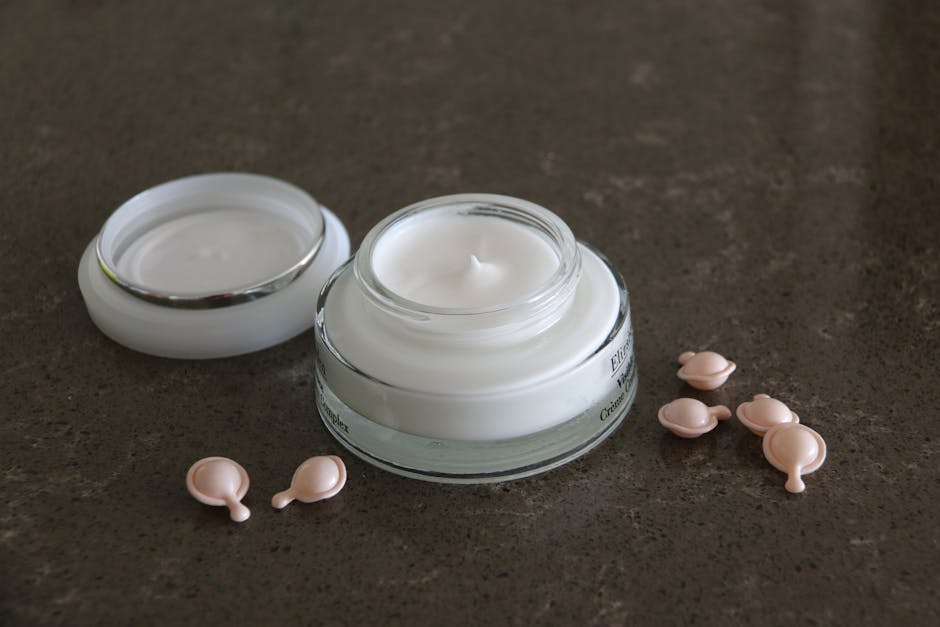
Benefits of Moisturizing for Seborrheic Dermatitis
Photo via Pexels
Moisturizing is essential in managing seborrheic dermatitis. The condition can cause dryness and flakiness, which can be uncomfortable and unsightly. Moisturizing can help to relieve these symptoms and improve the overall appearance of the skin. It can also help to prevent further irritation and inflammation.
When choosing a moisturizer for seborrheic dermatitis, it’s important to look for one that is specifically designed for sensitive skin. Avoid s that contain fragrances or other irritating ingredients. Look for a moisturizer that contains ingredients like ceramides, hyaluronic acid, and niacinamide, which can help to restore the skin‘s natural moisture barrier.
How to Moisturize Seborrheic Dermatitis
Moisturizing seborrheic dermatitis requires choosing the right moisturizer and using it correctly. Follow these tips to moisturize your skin effectively:
Choose the Right Moisturizer
Choose a moisturizer specifically designed for sensitive skin. Avoid products with fragrances or other irritating ingredients. Look for a moisturizer that contains ingredients like ceramides, hyaluronic acid, and niacinamide, which can help to restore the skin‘s natural moisture barrier.
Apply Moisturizer Correctly
Be gentle when applying moisturizer and use your fingertips. Avoid rubbing or pulling on the skin. Apply a thin layer of moisturizer and allow it to absorb fully before applying any other products.
Moisturize Regularly
Moisturize your skin at least twice a day, and more often if your skin is dry or itchy. It’s also important to moisturize after showering or bathing, as hot water can strip the skin of its natural oils.
Use Moisturizer with Other s
Moisturizing should be part of a comprehensive treatment plan for seborrheic dermatitis. Use moisturizer in conjunction with other treatments, such as medicated -for-seborrheic-dermatitis/”>s or topical corticosteroids. Follow your healthcare provider’s instructions for using these treatments.
Pros and Cons of Moisturizing Seborrheic Dermatitis
Like any treatment, moisturizing seborrheic dermatitis has its pros and cons.
Pros
Moisturizing can help relieve dryness and flakiness.
It can help prevent further irritation and inflammation.
Moisturizing can improve the overall appearance of the skin.
Cons
Using the wrong moisturizer or applying it incorrectly can make the condition worse.
Moisturizing alone may not be enough to manage seborrheic dermatitis.
A Personal Experience: Overcoming Seborrheic Dermatitis
I’ve struggled with seborrheic dermatitis for years, and it’s been a constant battle to keep my skin looking and feeling healthy. After trying countless moisturizers and treatments, I finally found a routine that works for me.
One of the biggest game-changers for me was incorporating a gentle, fragrance-free moisturizer into my daily routine. I used to avoid moisturizing altogether because I was worried about aggravating my skin, but I soon realized that the right moisturizer can actually help soothe and calm my flare-ups.
I also learned the importance of being gentle with my skin. I used to vigorously scrub my face with harsh exfoliators, thinking it would help get rid of the flakes and redness. But in reality, all it did was further irritate my skin. Now, I stick to gentle cleansers and avoid any harsh scrubs or brushes.
Lastly, I found that consistency is key. It can be easy to get lazy with your skincare routine, but I’ve found that sticking to a consistent routine has helped keep my seborrheic dermatitis under control.
While everyone’s skin is different, I hope my personal experience can help others struggling with seborrheic dermatitis find a routine that works for them.
Frequently Asked Questions
Should I moisturize if I have seborrheic dermatitis?
Yes, moisturizing is essential in managing seborrheic dermatitis. Look for a moisturizer specifically designed for sensitive skin and use it regularly.
What ingredients should I look for in a moisturizer for seborrheic dermatitis?
Look for a moisturizer that contains ingredients like ceramides, hyaluronic acid, and niacinamide, which can help to restore the skin‘s natural moisture barrier.
Can moisturizing alone manage seborrheic dermatitis?
Moisturizing alone may not be enough to manage seborrheic dermatitis. It should be part of a comprehensive treatment plan that may include medicated shampoos or topical corticosteroids.
Is it safe to use a moisturizer with seborrheic dermatitis?
Yes, it is safe to use a moisturizer with seborrheic dermatitis. Choose a moisturizer that is specifically designed for sensitive skin and avoid products with fragrances or other irritating ingredients.
Conclusion
Moisturizing is essential in managing seborrheic dermatitis. It can help relieve dryness and flakiness, prevent further irritation and inflammation, and improve the overall appearance of the skin. Choose a moisturizer specifically designed for sensitive skin that contains ingredients like ceramides, hyaluronic acid, and niacinamide. Apply it gently and regularly, and use it in conjunction with other treatments as part of a comprehensive treatment plan. With the right moisturizer and care, you can manage seborrheic dermatitis and achieve flawless, healthy skin.
Insider Tip: “When choosing a moisturizer, look for one with dimethicone, which is a great ingredient that helps lock in moisture and protect the skin‘s natural barrier.”
These sources provide evidence-based medical information from reputable healthcare organizations.
Medical Disclaimer: This content is for informational purposes only and does not constitute medical advice, diagnosis, or treatment. Always consult your dermatologist or qualified healthcare provider before starting any new treatment. Individual results may vary.
Manage Cookie Consent
To provide the best experiences, we use technologies like cookies to store and/or access device information. Consenting to these technologies will allow us to process data such as browsing behavior or unique IDs on this site. Not consenting or withdrawing consent, may adversely affect certain features and functions.
Functional
Always active
The technical storage or access is strictly necessary for the legitimate purpose of enabling the use of a specific service explicitly requested by the subscriber or user, or for the sole purpose of carrying out the transmission of a communication over an electronic communications network.
Preferences
The technical storage or access is necessary for the legitimate purpose of storing preferences that are not requested by the subscriber or user.
Statistics
The technical storage or access that is used exclusively for statistical purposes.The technical storage or access that is used exclusively for anonymous statistical purposes. Without a subpoena, voluntary compliance on the part of your Internet Service Provider, or additional records from a third party, information stored or retrieved for this purpose alone cannot usually be used to identify you.
Marketing
The technical storage or access is required to create user profiles to send advertising, or to track the user on a website or across several websites for similar marketing purposes.