This post may contain affiliate links which means I may receive a commission for purchases made through links. As an Amazon Associate I earn from qualifying purchases. I will only recommend products that I have personally used! Learn more on my Private Policy page.
Key Takeaways
- Structural risk: High curl pattern hair has tightly coiled strands that slow sebum travel from scalp to ends, leaving the scalp oil-rich but the hair dry — a combination that can aggravate seborrheic dermatitis.
- 2026 expert consensus: A panel of dermatologists confirmed that certain hair care practices common in curly hair routines can exacerbate SD and called for culturally sensitive treatment approaches.
- Wash frequency matters: Co-washing alone rarely removes Malassezia-friendly buildup; medicated shampoo used at the scalp with conditioner on the lengths is the safer hybrid.
- Oil caution: Heavy scalp oils left on for days feed yeast and trap heat. Pre-poo oils rinsed out within 15 minutes are safer than leave-in scalp greases.
- Protective styling: Styles that allow scalp airflow and are not worn for more than 7-10 days reduce flare risk compared to long-term sealed styles.
If you have curly or coily hair and seborrheic dermatitis, you have probably noticed that standard advice does not quite fit. The same tight curl pattern that makes your hair unique also changes how sebum, sweat, and products move across your scalp. A 2026 expert consensus published in the Journal of Cosmetic Dermatology is the first to systematically address why high curl pattern hair is more vulnerable to SD and what routines actually help. This guide translates that research into a practical wash-day and styling plan.
Why Curly Hair Changes the Seb Derm Equation
High curl pattern hair — typically type 3 and 4 on the texture scale — is structurally different from straight hair in ways that directly affect scalp health. The coil shape creates multiple points of torsion along each strand, which slows the natural migration of sebum from the follicle down the hair shaft. The result is an oilier scalp and drier mid-lengths and ends, a mismatch that feeds into the seb derm cycle.
Seborrheic dermatitis is driven by Malassezia yeast, which thrives on lipids. When sebum pools near the scalp instead of traveling down the hair, the yeast has a steady food supply. At the same time, the hair itself becomes dry and prone to breakage because it never receives that natural oil coating. This dual problem — oily scalp, dry hair — is why many people with curly hair feel caught between treating flakes and preserving moisture.
The 2026 consensus panel also noted that hairstyles and products commonly used in high curl pattern hair, including tight protective styles, heavy pomades, and infrequent cleansing, can contribute to SD development or make existing cases worse. These are cultural practices, not hygiene failures, which is why the panel emphasized that treatment must be adapted rather than judged.
Hair Care Practices That Can Worsen Seb Derm
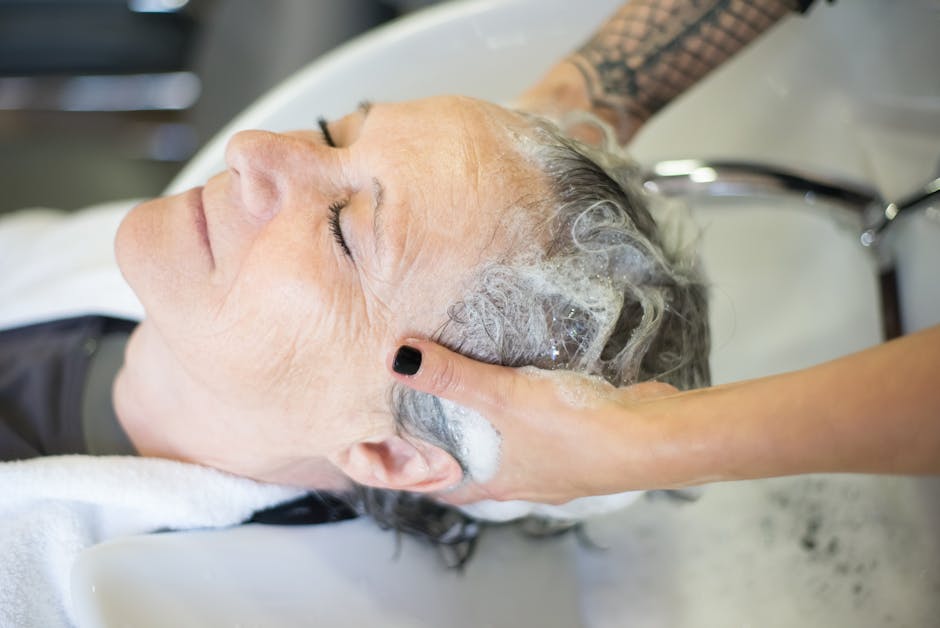
Not every curly hair habit is problematic, but several common practices create conditions that Malassezia loves. Recognizing them is the first step toward change.
Heavy Scalp Oils and Greases
Petrolatum-based scalp greases, thick natural butters applied directly to the scalp, and leave-in oil treatments can trap heat and create an occlusive layer over sebum. This does not suffocate the yeast — it feeds it. The consensus panel specifically flagged occlusive scalp products as a modifiable risk factor in high curl pattern hair. If you use oils, apply them to the lengths and ends only, or use them as a pre-shampoo treatment that is fully rinsed out.
Infrequent Cleansing
The curly hair community often avoids shampoo to prevent dryness, a practice called co-washing or no-poo. While conditioner-only washing can preserve moisture, most conditioners lack the surfactant strength to remove yeast, flakes, and sebum buildup. Over time, this accumulation can trigger or prolong SD flares. The 2026 panel did not recommend daily shampooing, but they did conclude that co-washing alone is usually insufficient for people with active seborrheic dermatitis.
Tight or Long-Term Protective Styles
Braids, weaves, wigs, and locs are protective and culturally significant, but styles that pull tightly at the scalp or are left in place for weeks without scalp access can trap sweat and sebum. Traction from tight styles also causes micro-inflammation, which may compound the inflammatory response already present in SD. The panel recommended that protective styles allow periodic scalp cleansing and should not be so tight that they cause tenderness.
Chemical Relaxers and Heat Damage
Chemical straighteners alter the hair’s protein structure and can irritate the scalp, especially if applied during an active flare. Heat styling tools used close to the scalp can also increase local temperature and sweating. Both practices were associated with higher SD reporting in the literature review that informed the 2026 consensus.
A Seb-Derm-Friendly Wash Day for Curly Hair
The goal is to cleanse the scalp without stripping the hair. This requires a split approach: treat the scalp like skin and the lengths like delicate fabric.
Step 1: Pre-Poo or Pre-Treatment (Optional)
If your scalp has thick scale buildup, a 10- to 15-minute pre-shampoo oil treatment can loosen flakes before cleansing. Use a lightweight oil like MCT oil or fractionated coconut oil — both are less likely to feed Malassezia than oleic acid-rich oils like olive oil. Apply to the scalp only, cover with a processing cap, and rinse thoroughly before shampooing. For more on why MCT oil is considered safer, see our MCT oil guide.
Step 2: Medicated Shampoo at the Scalp
Choose a shampoo with an active ingredient proven for seborrheic dermatitis. Ketoconazole 2%, zinc pyrithione, selenium sulfide, and salicylic acid are all evidence-based options. Apply the shampoo directly to the scalp with your fingertips, not your nails, and massage for 2-3 minutes to allow contact time. Do not scrub the lengths — let the runoff cleanse them gently.
Frequency depends on severity. During a flare, twice weekly is typical. During maintenance, once weekly may be enough. If you need a refresher on which shampoo ingredients match your situation, our best shampoos guide breaks down the options.
Step 3: Conditioner on the Lengths
After rinsing the medicated shampoo, apply a hydrating conditioner from mid-length to ends. Avoid the scalp unless the product is specifically designed for scalp hydration. Look for conditioners with ceramides, which the 2026 consensus highlighted as beneficial for barrier repair in high curl pattern hair. Rinse with cool water to seal the cuticle and reduce frizz.
Step 4: Leave-In and Styling
Apply leave-in conditioner and styling products to the hair, not the scalp. Avoid products with heavy waxes, petrolatum, or high concentrations of oils on the scalp itself. If you use a gel or mousse, check that it is water-based and does not contain drying alcohols that could further compromise the scalp barrier.
Ingredients to Prioritize and Avoid
| Ingredient | Role | Verdict |
|---|---|---|
| Ceramides | Barrier repair | ✅ Prioritize — consensus-backed for curly scalp health |
| Zinc pyrithione | Antifungal, anti-inflammatory | ✅ Prioritize — gentle enough for frequent use |
| Ketoconazole | Potent antifungal | ✅ Prioritize — use 1-2x weekly during flares |
| Salicylic acid | Scale removal | ✅ Prioritize — helps lift thick buildup |
| Petrolatum / heavy waxes | Occlusion | ❌ Avoid on scalp — traps heat and sebum |
| Oleic acid-rich oils (olive, castor) | Moisture | ⚠️ Caution — may feed Malassezia if left on scalp |
| Fragrance | Sensory | ⚠️ Caution — can irritate already inflamed scalp |
Protective Styling Without Triggering Flares
You do not have to give up protective styles to manage seborrheic dermatitis. The 2026 consensus emphasized that culturally sensitive care means adapting treatment around the hairstyles people prefer, not demanding abandonment. Here is how to reduce risk while keeping protective styles in rotation.
Allow scalp access. Choose styles that let you reach the scalp with a nozzle applicator or medicated spray between full washes. Box braids, cornrows, and loose twists are easier to access than fully sealed weaves or wigs glued at the hairline.
Time limits. The panel did not specify exact days, but dermatology literature generally recommends not exceeding 7-10 weeks for any single protective style, with scalp cleansing at least every 2 weeks. For SD-prone scalps, shorter rotations are safer.
Moisture balance. Spritz the length with water-based moisturizers, but avoid saturating the scalp with heavy creams. If you wear a wig, use a breathable wig cap and wash the cap itself weekly.
Loose tension. Styles that pull tightly at the temples or crown cause traction alopecia and micro-inflammation, both of which overlap with SD symptoms. If your style hurts, it is too tight.
When to See a Dermatologist
Seborrheic dermatitis in high curl pattern hair is sometimes mistaken for product buildup, dry scalp, or dandruff alone. If you have tried medicated shampoo for 4-6 weeks without improvement, or if you notice patchy hair loss, thick yellow scaling, or bleeding, see a board-certified dermatologist. A clinician can rule out conditions like scalp psoriasis, tinea capitis, or traction alopecia, which can mimic or coexist with SD. For a symptom checklist, refer to our complete symptoms guide.
Frequently Asked Questions
Is co-washing enough if I have seborrheic dermatitis?
No. Co-washing with conditioner alone does not remove the sebum and yeast buildup that drives seborrheic dermatitis. Most people with curly hair and SD do best with a hybrid routine: medicated shampoo at the scalp, followed by conditioner on the lengths.
Can I use coconut oil on my scalp if I have seb derm?
Unrefined coconut oil contains lauric acid, which has some antifungal properties, but it is also rich in lipids that can feed Malassezia. If you want to use coconut oil, apply it as a pre-shampoo treatment and rinse it out thoroughly. Do not leave it on the scalp overnight.
Will medicated shampoo ruin my curl pattern?
Medicated shampoos can be drying if used incorrectly, but dryness comes from leaving the shampoo on the lengths or from skipping conditioner. Apply medicated shampoo only to the scalp, let the runoff cleanse the hair, and always follow with a hydrating conditioner on the lengths and ends.
How often should I wash my hair if I have curly hair and seb derm?
During a flare, aim for twice weekly with a medicated shampoo. During maintenance, once weekly may be sufficient. The exact frequency depends on your scalp’s oil production, activity level, and the climate you live in. Pay attention to your scalp, not a rigid schedule.
Are protective styles like box braids safe with seb derm?
Yes, if they are installed with moderate tension and you maintain access to your scalp for cleansing. Keep braids in for no more than 6-8 weeks, and use a medicated shampoo with a nozzle bottle or diluted spray between full washes. Avoid styles that pull tightly at the hairline.
Why does my scalp itch more in protective styles?
Itching can come from trapped sweat, product buildup, or tension. If the itch is accompanied by flakes or redness, it may be a seb derm flare. Try loosening the style, washing more frequently, or switching to a style that exposes more scalp surface area.
Does seborrheic dermatitis cause hair loss in curly hair?
Seborrheic dermatitis itself does not typically cause permanent hair loss, but chronic inflammation and scratching can damage follicles. In curly hair, tight protective styles combined with SD can increase the risk of traction alopecia. Treating the SD promptly and avoiding excessive tension are both important.
Medical Disclaimer: This content is for informational purposes only and does not constitute medical advice. The 2026 consensus discussed is an expert opinion paper based on systematic literature review, not a clinical treatment guideline. Individual results vary, and what works for one person may not work for another. If you suspect you have seborrheic dermatitis or your symptoms are worsening, consult a board-certified dermatologist for proper diagnosis and treatment.